
The Living Record: How Bloedel Reserve Documents Its Collections
At Bloedel Reserve, the landscapes visitors experience each day are supported by decades of careful stewardship behind the scenes. Every tree, shrub, perennial, and botanical addition tells a story, and those stories are documented through a process known as accessioning.
Since the 1970s, the Reserve has maintained accession records for the living collections throughout the grounds. These records help track the history, origin, health, and movement of plants across the Reserve, ensuring that the landscapes can be thoughtfully cared for today and preserved for future generations.
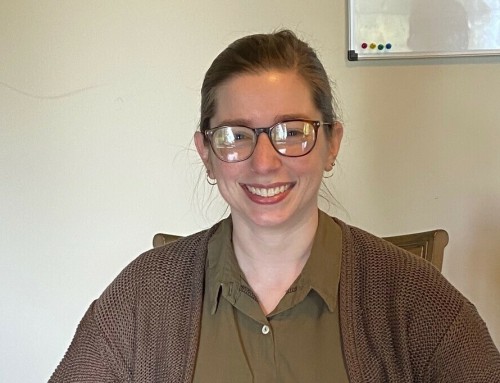
 Leading this work is Living Collections Curator Philip Bloomquist, who oversees the documentation and organization of the Reserve’s extensive plant records using Hortis, a professional botanical collections database used by gardens and arboreta around the world.
“Accessioning is really about understanding what we have and maintaining the history of the collection,” Philip explains. “It gives us the ability to care for plants more intentionally and make informed decisions over time.”
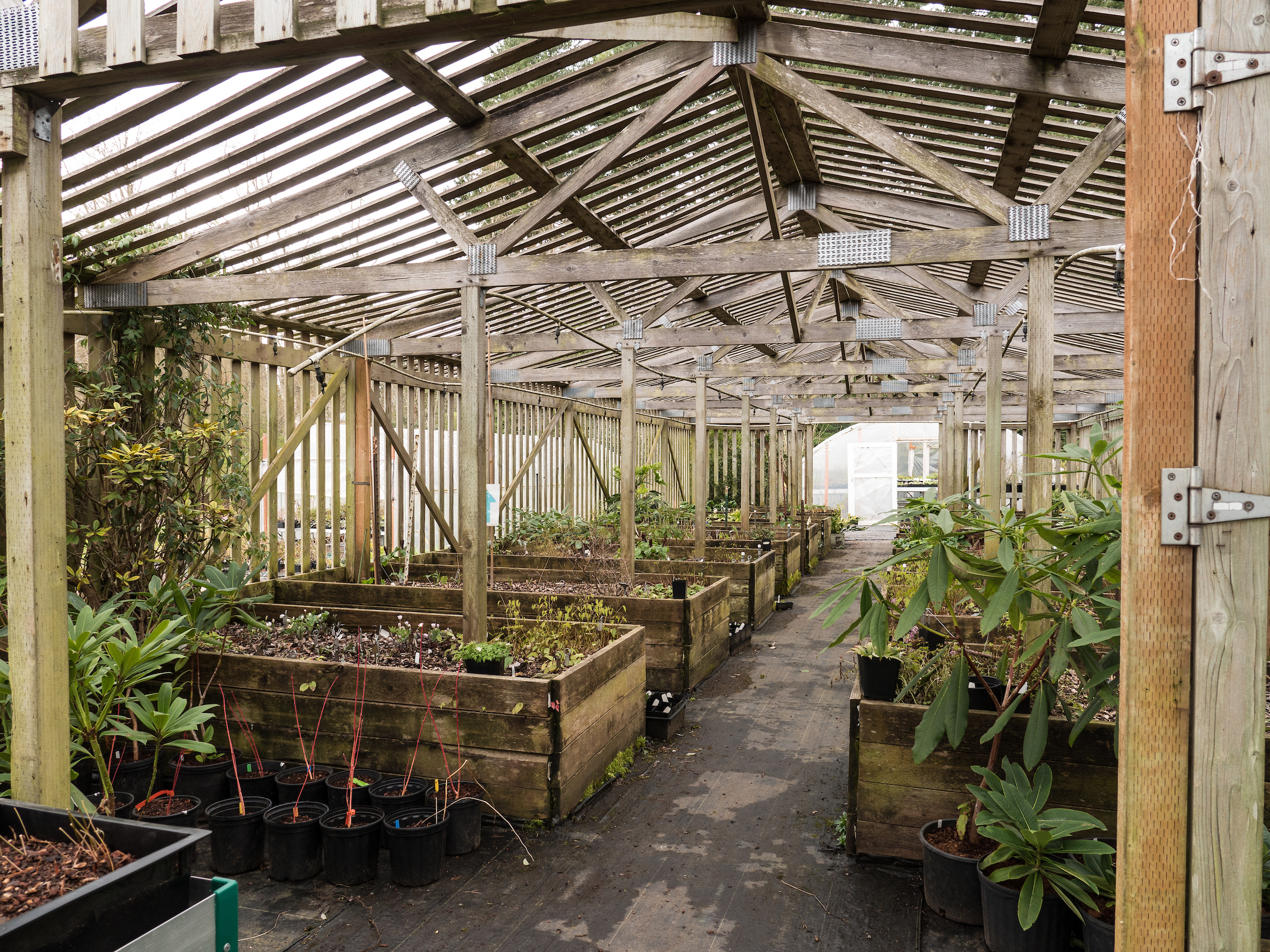 When new plants arrive at the Reserve, whether through acquisition, propagation, or donation, they first move through quarantine or are grown out in the nursery before eventually being planted in the landscape. Once they are ready for installation, each plant is photographed, cataloged, and entered into Hortis with detailed information including botanical name, origin, planting location, and relevant notes about its care or history.
The process is ongoing and highly detailed. Landscapes evolve, plants mature, and records are continually updated to reflect changes across the grounds. Historic records dating back decades are also maintained and refined as more information becomes available.
Supporting this important work is a dedicated team of four weekly volunteers who assist Philip in maintaining and updating the living collections database. Their contributions help ensure that the Reserve’s records remain accurate, organized, and accessible.
Over time, this documentation effort will also create new opportunities for visitors to engage more deeply with the landscapes. We hope to eventually offer live, interactive garden maps that allow guests to explore plant collections in real time and look up species of interest during their visit.
While accession records may largely exist behind the scenes, they play a vital role in preserving the integrity, history, and future of the Reserve’s landscapes. Every entry represents another piece of the living collection that is carefully documented, thoughtfully maintained, and connected to the broader story of Bloedel Reserve.