
Paul Hayden Kirk: Architect of the Japanese Guest House
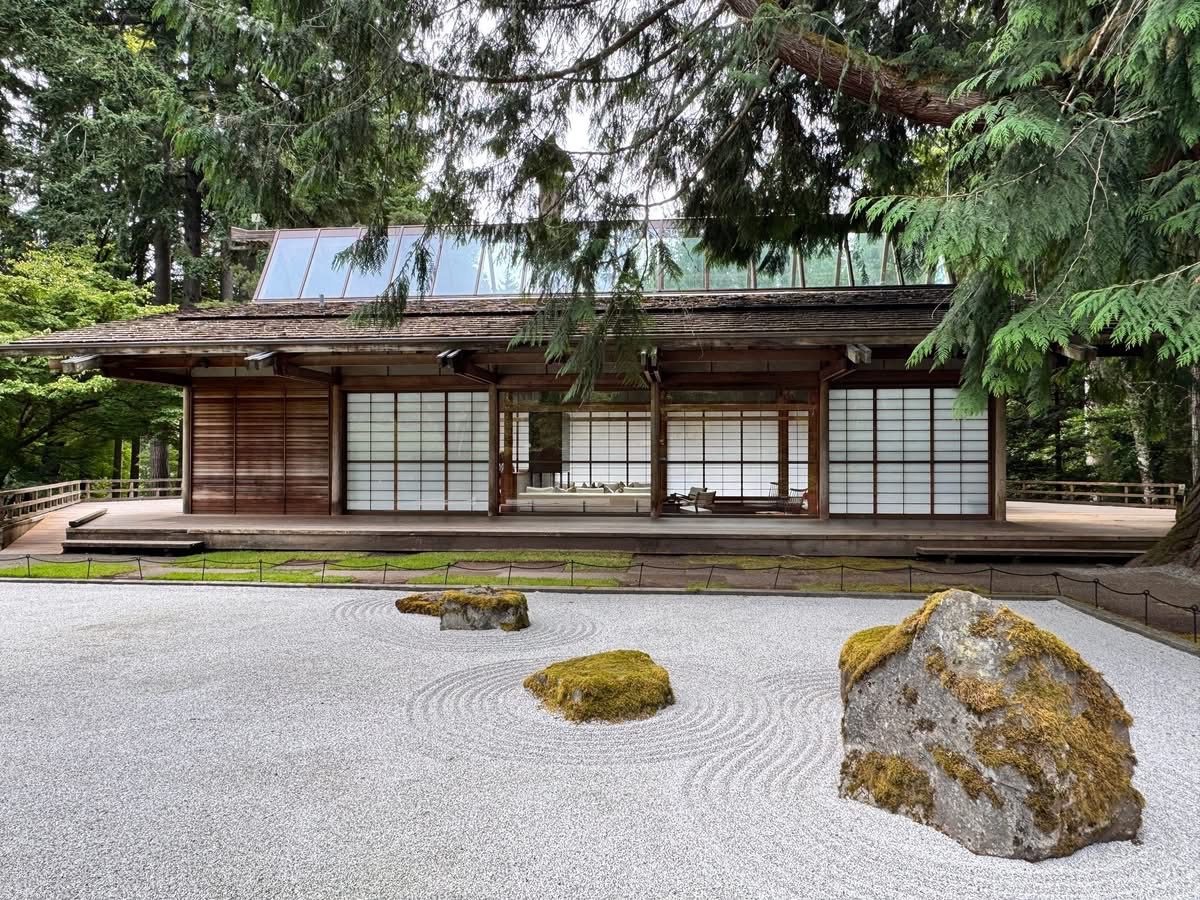 One of the most cherished spaces at the Bloedel Reserve is the Japanese Guest House. Set within a serene landscape, it offers a place for contemplation and quiet reflection. Architect Paul Hayden Kirk captured this sense of calm and beauty with remarkable sensitivity, creating a structure that seems to belong effortlessly to its surroundings.
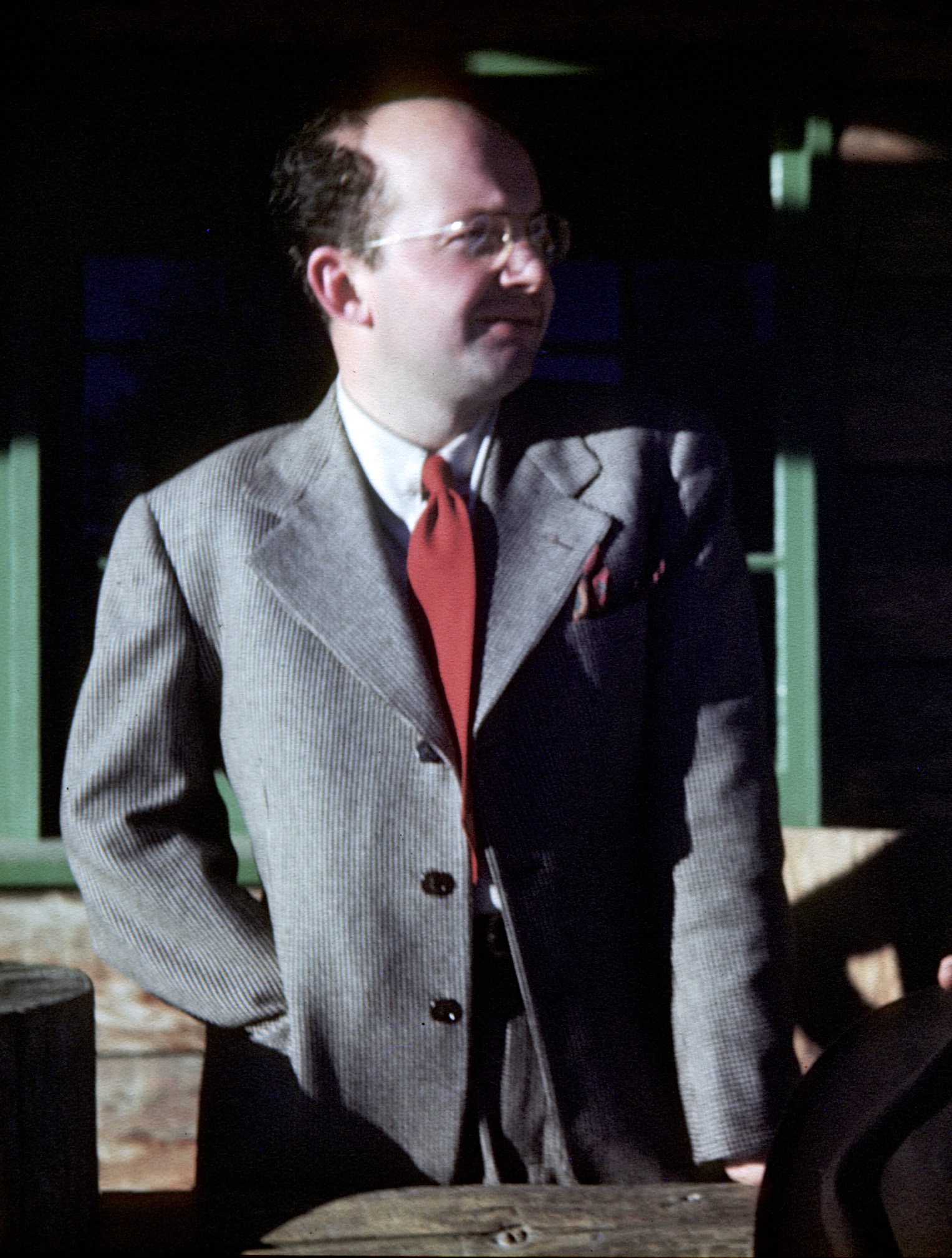 Paul Hayden Kirk was born in Salt Lake City on November 18, 1914, and moved with his family to Seattle in 1922. His father operated an interior design business supplying curtains, drapes, and design services to the city’s growing residential and commercial community. At the age of three, Kirk contracted polio, which left his right arm paralyzed and affected his legs. He learned to draw with his left hand, using weights to hold down the large sheets required for architectural renderings—an early demonstration of the determination and discipline that would define his career.
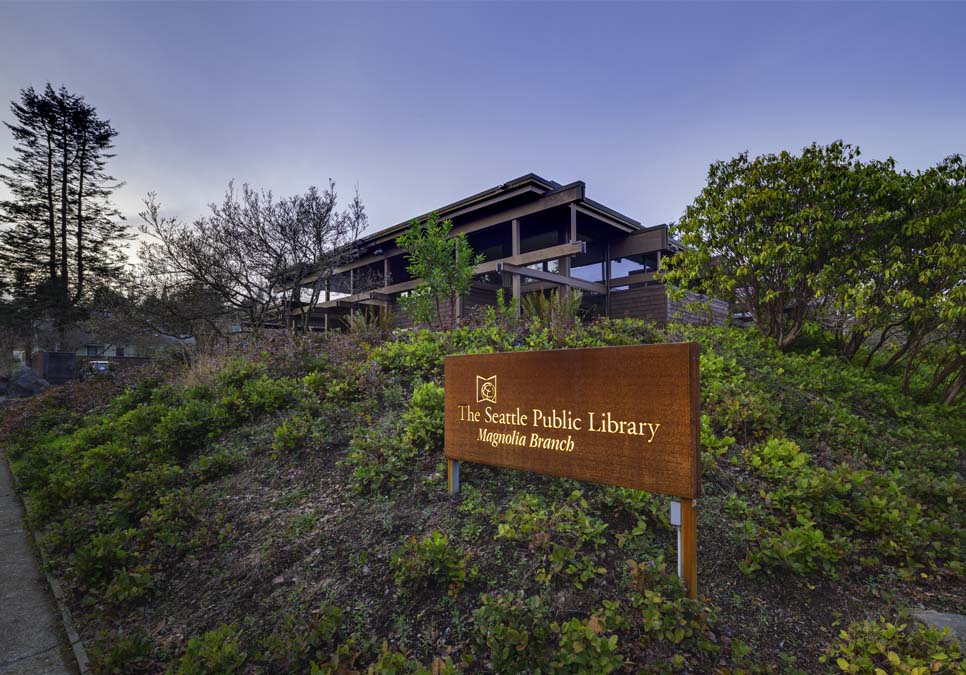
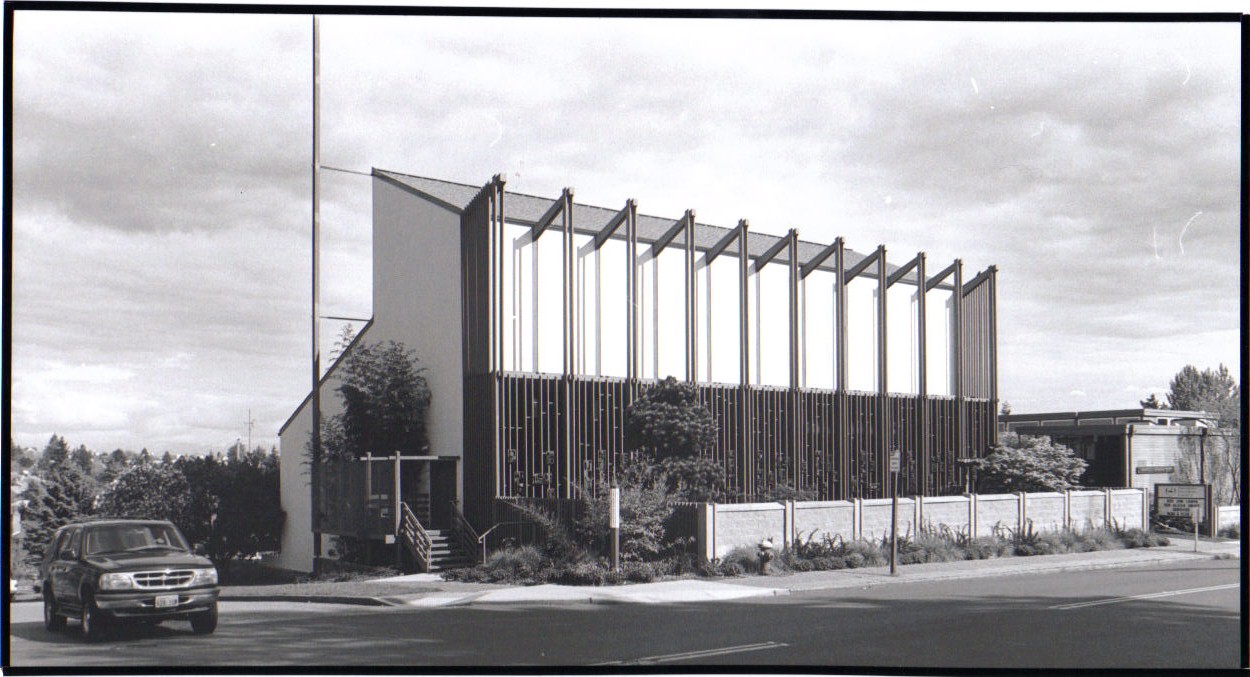
Kirk graduated from the University of Washington School of Architecture in 1937 and worked for several firms before establishing his own practice, which focused primarily on residential architecture. From 1950 to 1957, he worked as a sole practitioner, designing many notable Seattle landmarks, including the University Unitarian Church and the Magnolia Library.
In 1960, at the suggestion of landscape architect Thomas Church, the Bloedels commissioned Kirk to design a guesthouse overlooking the Japanese garden created by Fujitaro Kubota. Kubota had initially proposed a teahouse, but as the design evolved, the concept expanded into a guesthouse—one that became a deeply personal project for Kirk. A future newsletter will explore the garden itself, drawing on interviews with Bob Braid, longtime caretaker of the Japanese Garden and Bloedel landscape.
Completed in 1962, the Japanese Guest House incorporates elements of both a Northwest Native American longhouse and a traditional Japanese teahouse. The interior is defined by open beams, a pitched glass roof, and floor-to-ceiling windows with sliding shoji screens. These screens can be opened individually to reveal views of both the sand garden and the strolling garden, creating a dynamic relationship between inside and out.
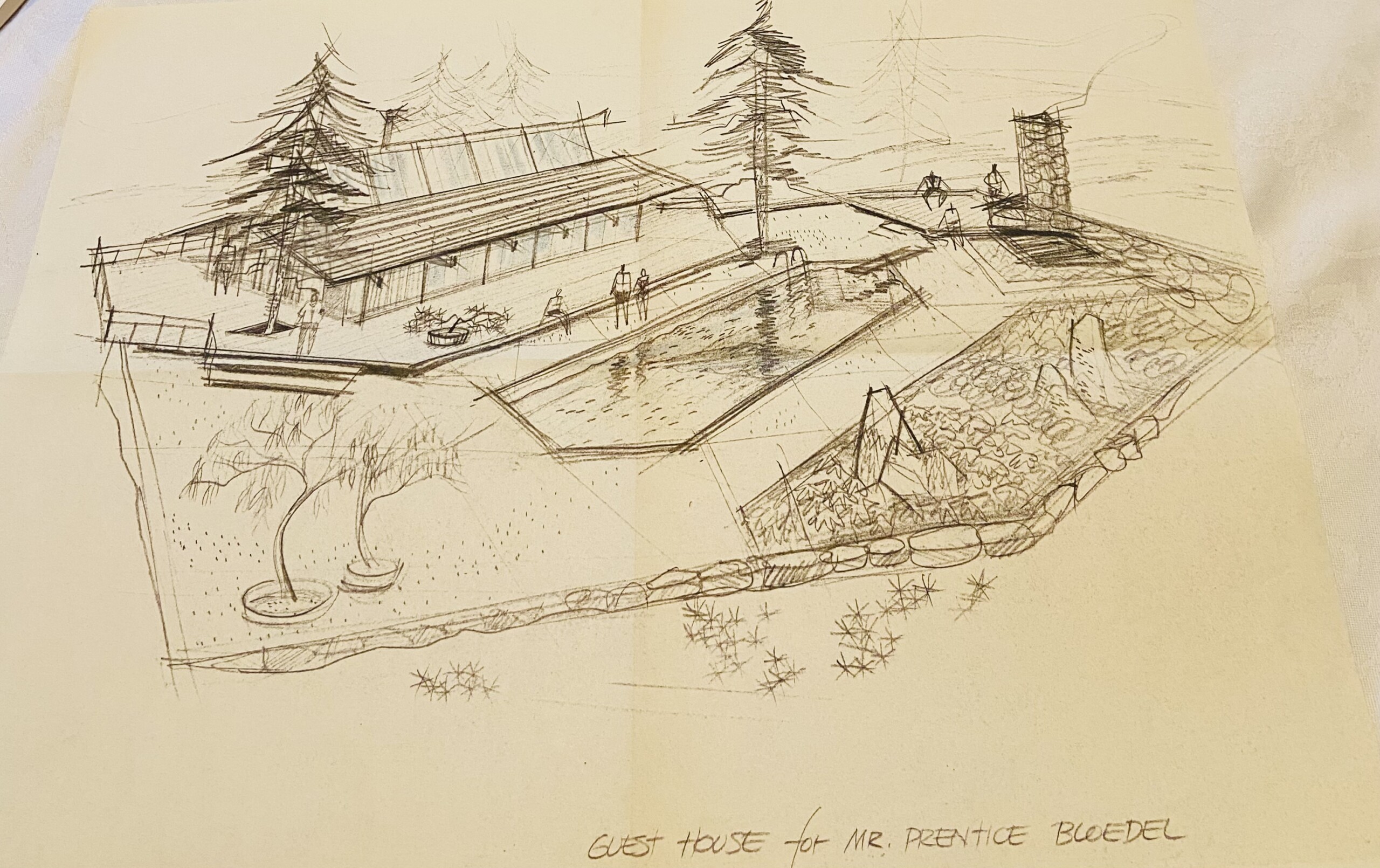
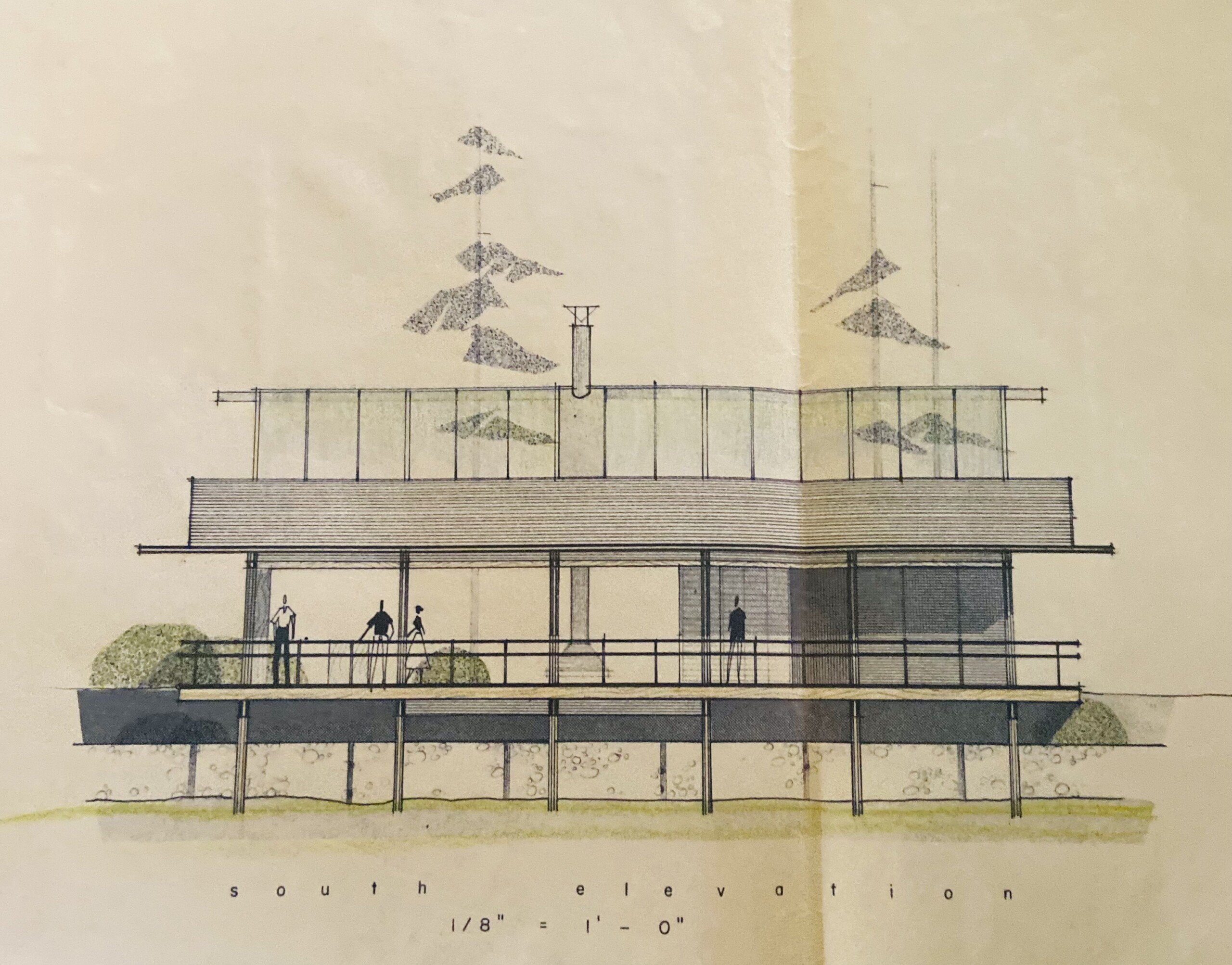
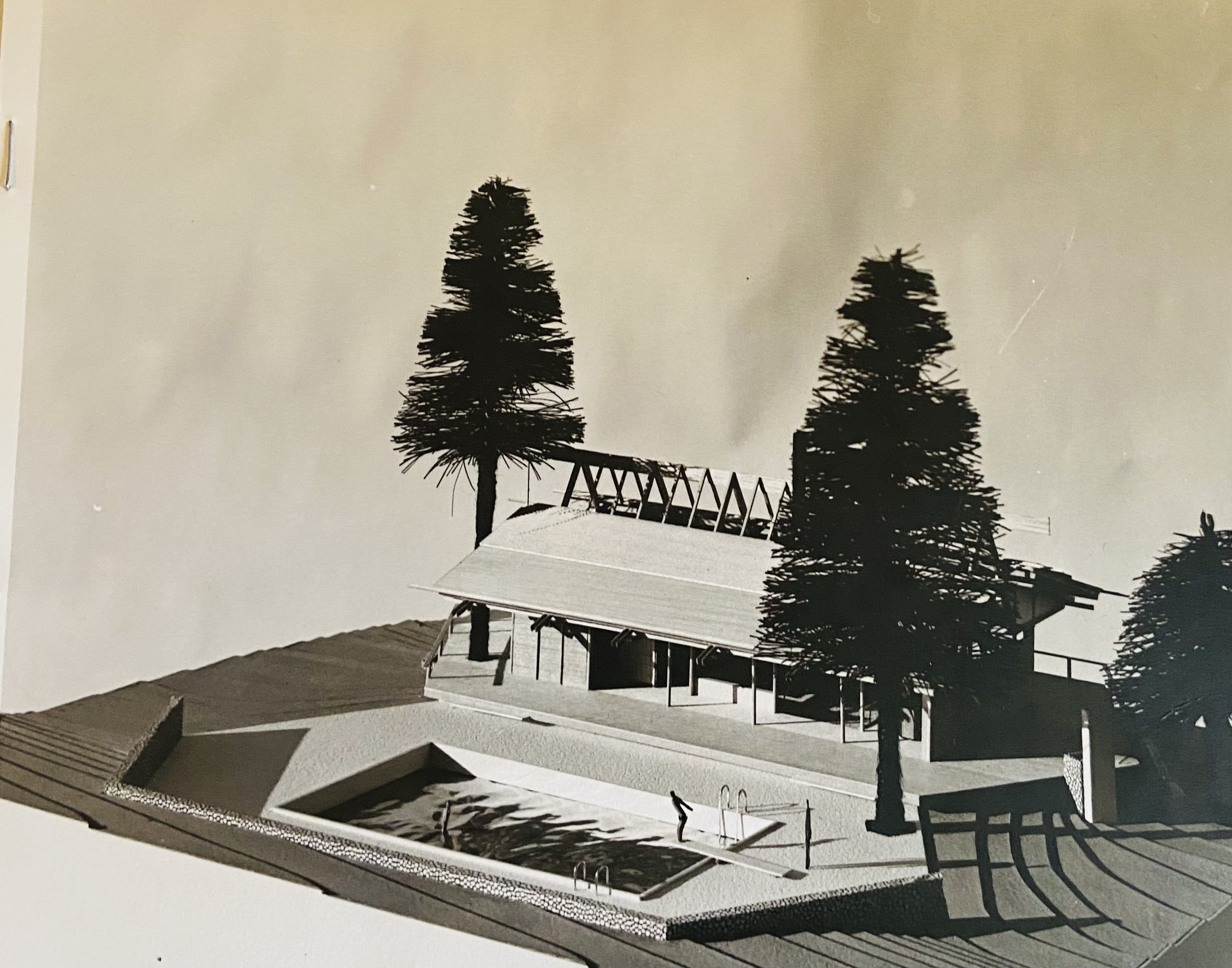
The Guest House originally included a basement area that served as a changing room for a swimming pool, along with two small bedrooms and a compact kitchen. (The pool was later filled in and replaced by what is now the Garden of Planes. In 1986, Dr. Koichi Kawana was hired to design and install the present rock and sand garden.) One can only imagine the gatherings and quiet moments enjoyed in this special space over the years.
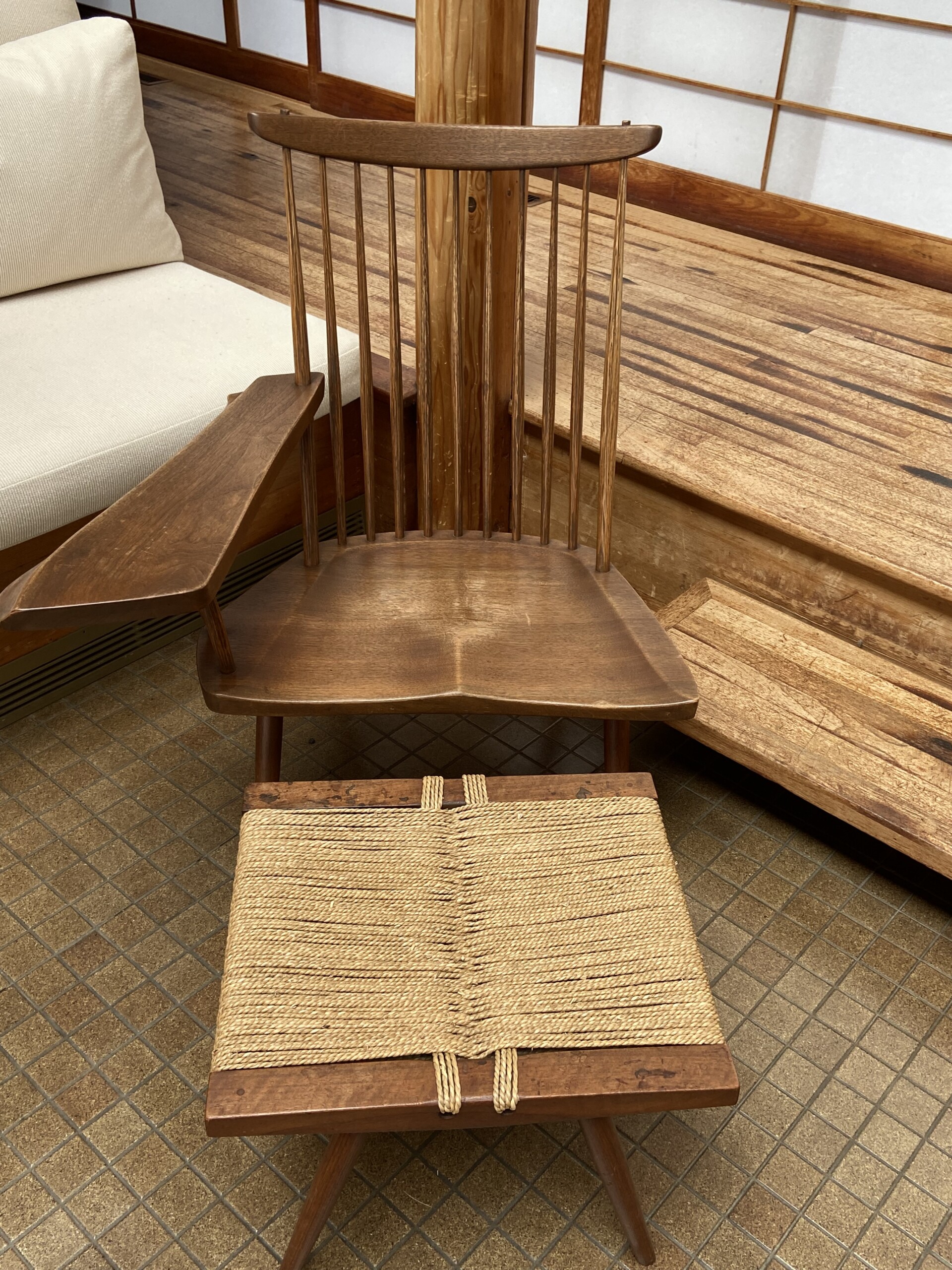 Furniture plays an essential role in the Guest House as well. Kirk gifted several pieces by renowned craftsman George Nakashima, who—like Kirk—studied architecture at the University of Washington. Nakashima, born in Spokane, developed an influential body of work in both the United States and Japan. During World War II, he was interned at Camp Minidoka in Idaho, where he met Gentaro Hikogawa, a master of traditional Japanese carpentry, and learned woodworking techniques that would shape his career. The Nakashima tables and chairs in the Guest House, made of western pine and cedar, blend perfectly within the space.
Another remarkable furnishing is the large table crafted by local artist David Coates from English elms found on the Reserve. The Guest House floor itself has a fascinating provenance: it is made of recycled teak salvaged from the decking of the battleship USS New Jersey during one of its decommissioning periods. Prentice Bloedel’s connections at the Bremerton Naval Shipyard made this reuse of materials possible.
In 2012, the Guest House underwent a thoughtful refresh thanks to a major grant from the City of Bainbridge Island Lodging Tax Fund. Bainbridge-based artisan Gary Bella, trained in traditional Japanese woodworking, restored the interiors of the shoji screens and repaired the exterior deck railings. For the screens, Bella used a translucent material incorporating rice fiber, reinstalling it within the original grid frames. The deck railings were reinforced using Alaskan yellow cedar—the same material originally specified by the Bloedels—chosen for its durability and cultural significance in both Native American and Japanese traditions.
Beyond his architectural achievements, Paul Hayden Kirk was deeply engaged in civic and cultural life. He frequently served as a juror for professional design competitions and held leadership roles including president of the Seattle Art Museum’s Contemporary Arts Council and president of the American Institute of Architects. He also served on the City of Seattle Housing Board and was a trustee of both the Arboretum Foundation and the Bloedel Reserve. Kirk retired from practice in 1979, transferring his firm to partner David McKinley, and passed away in Kirkland on May 22, 1995.
Kirk is widely recognized for establishing the Pacific Northwest architectural style—one that emphasizes wood craftsmanship, regional landscapes, and a seamless connection between indoors and outdoors. Architectural historian Grant Hildebrandt, author of Paul Hayden Kirk and the Puget Sound School, captures the essence Kirk in his remarks about the Japanese Guest House.
“The Bloedel Guest House is a small masterpiece. Engineering, craftsmanship, and aesthetics become inseparable in the rigorous order and exquisite complexity of its revealed structure. Set within a rich context, meticulously elegant, endlessly fascinating, it is one of the most engaging designs of Paul’s career.”
–Written by Volunteer Jane Carlin
Sources:
Read more on the Bloedel website: The Japanese Guest House | A Signature Feature at Bloedel Reserve
Intrigued by Kirk’s design, learn more about his many buildings here: https://paulhaydenkirk.com/inventory-of-work/
Hildebrand, G., & Leeuwen, A. van. (2021). Paul Hayden Kirk and the Puget Sound School. Arcade.
Kutzera, D. (2021). Paul Hayden Kirk and the rise of Northwest modern. Salmon Bay Books, LLC.
https://www.livabl.com/articles/archives/paul-hayden-kirk-architect