
Bob Braid: Decades of Stewardship at Bloedel Reserve
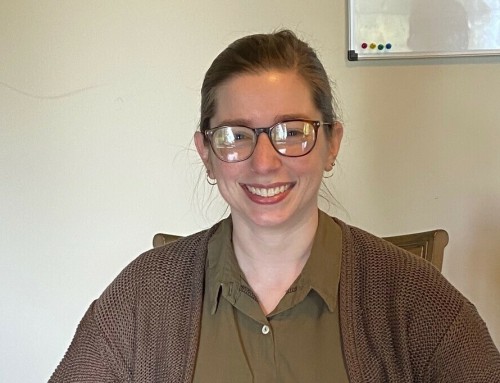
On a cold, rain-soaked January morning, Kyle Mahoney and I had the pleasure of sitting down with Bob Braid, Senior Horticulturist and longtime Caretaker of the Bloedel Reserve. With more than 40 years of experience at the Reserve, Bob’s knowledge of the landscape, and the stories embedded within it, runs deep.
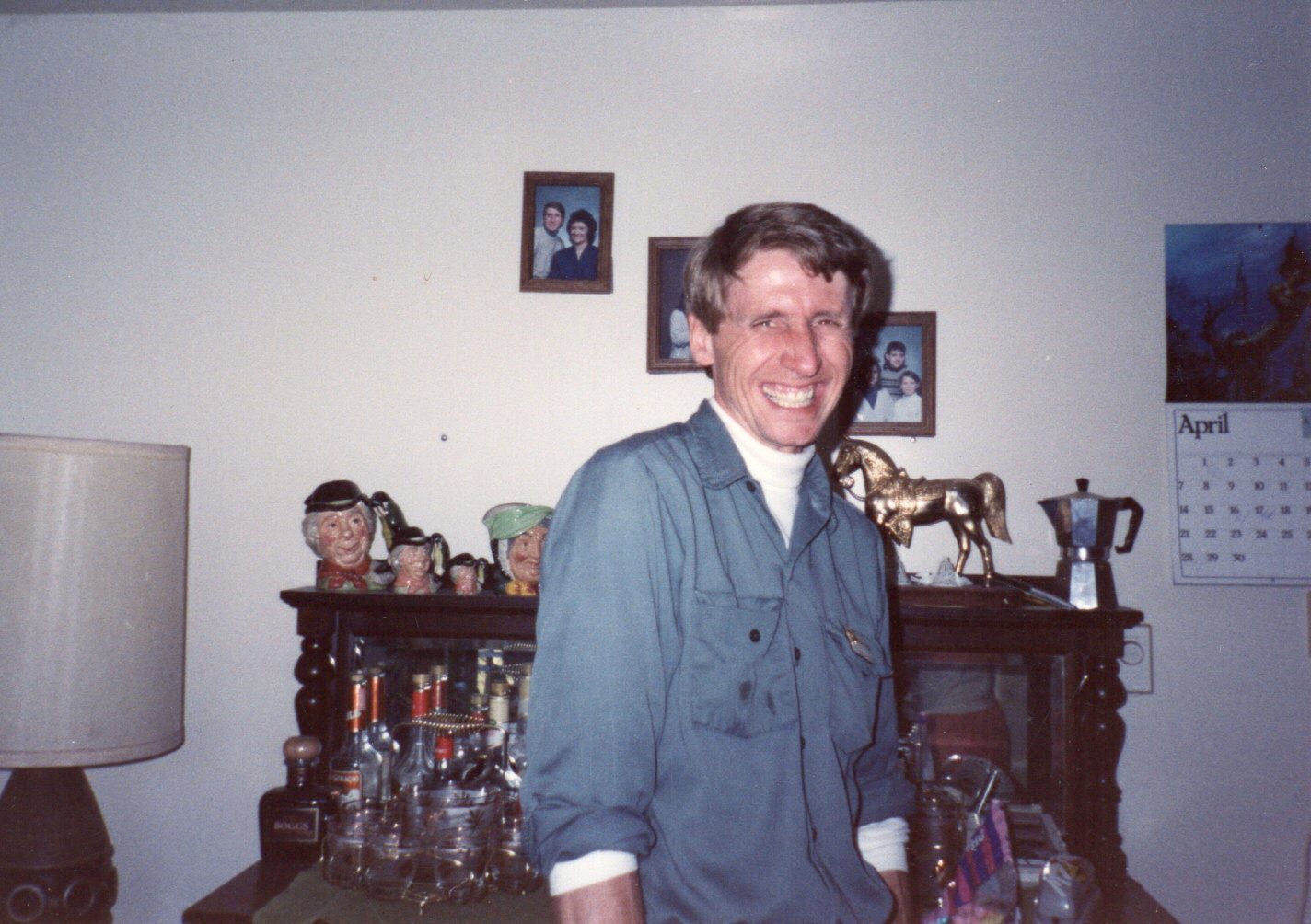 Bob’s first encounter with Bloedel Reserve came in 1984 while he was working for the Seattle Parks Department. He attended a Symposium on Women in Horticulture held at the Reserve, an experience he still vividly recalls. In his words, he was “blown away.” Inspired, Bob sent his résumé the following spring to then–Director Richard Brown. By March 1985, he had joined the Bloedel staff, and, as they say, the rest is history.
His introduction to the Pacific Northwest began was when he served in the U.S. Air Force as a corpsman on medical transports that returned wounded troops home from Vietnam. Bob remembers his first flight into Seattle clearly: a crystal-blue sky with Mount Rainier shining through. “This is where I want to be,” he thought. During his service, Bob also traveled to Japan, where he was introduced to Japanese gardens—an experience that would later profoundly shape his work at Bloedel.
Remarkably, Bob’s connection to the Reserve began even earlier, long before he realized it. After leaving the military he earned an associate’s degree in ornamental horticulture from Montgomery College in Maryland and his first professional position was as a gardener for Brookside Botanical Gardens in Maryland. While working there, he was once asked to assist an individual push a car backward into a parking place as the car’s reverse was not working. The man was Richard Brown, who was at that time interviewing for a job with Prentice Bloedel! A decade later, their paths would cross again, this time with Bob as a key steward of Prentice Bloedel’s vision.
In his early years at the Reserve, Bob worked as part of the horticultural team. On his very first day, he was tasked with re-grating and re-barking the Reserve’s roads to meet Mrs. Bloedel’s exacting standards. At that time, Richard Brown lived in what is now the Caretaker’s House (now Bob’s home). The house was originally a kit home that once stood where the Gatehouse at the public entrance to the Reserve is today. It’s hard to imagine moving an entire house, but that is exactly what was eventually done and now Bob’s home is near the staff entrance to the Reserve.
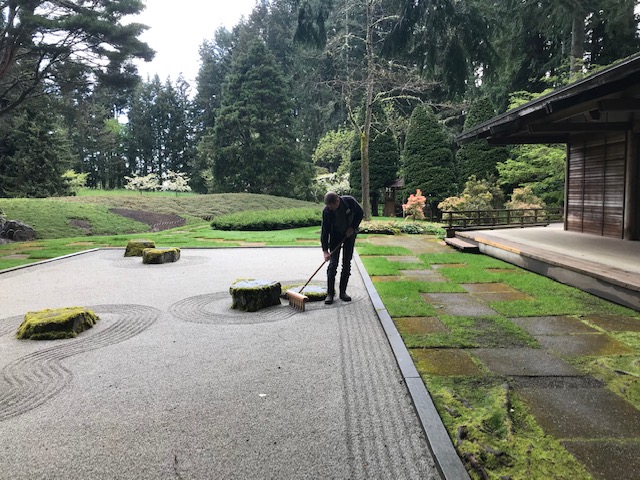 Today, Bob supervises several volunteers who help him to maintain the Japanese Garden. Mondays are particularly important to him, it’s a day devoted to “tidying,” ensuring the sand is clean, carefully raked, and serene. Each day, without fail, Bob walks the trails to make sure everything meets the standards he has upheld for decades.
Many of Bob’s fondest memories are intertwined with family life at the Reserve. He taught his son to fish in the Bird Marsh and recalls local children who would “sneak” onto the grounds, sometimes encountering Mr. Bloedel himself, who might respond with a gentle lecture, followed by milk and cookies. Those same children, Bob notes with pride, later returned as docents once the Reserve opened to the public.
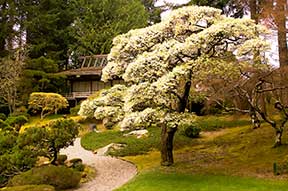 Over the years, Bob has worked tirelessly to elevate the Japanese Garden to the highest standards. In 1987, he helped install its centerpiece, the sand and rock garden, which he continues to rake to perfection. (He admits, with a laugh, to having seen adults make snow angels in the sand.) One of the highlights of his career came when a young Japanese man asked Bob to meet his visiting mother at the garden. Upon arriving, she stood, bowed deeply, and repeated the word okaeri, which means “welcome home.” For Bob, the gesture was deeply moving and a profound compliment from someone who had grown up in Japan. On another occasion, a colleague visiting Japan was told by a local companion, after touring famed gardens there, “I like Bloedel Reserve better.”
The opening of the Reserve to the public brought many changes to his work. While it meant less personal freedom within the landscape, it also brought joy, especially seeing former neighborhood children return as volunteers and docents. He recalls a strong sense of community on Bainbridge Island during those years. Mr. Bloedel prioritized buying locally, fostering close ties with Bainbridge Gardens and the Junkoh Hari family. Bob also helped care for Mrs. Bloedel’s swans, regularly collecting discarded produce from Town & Country to feed them.
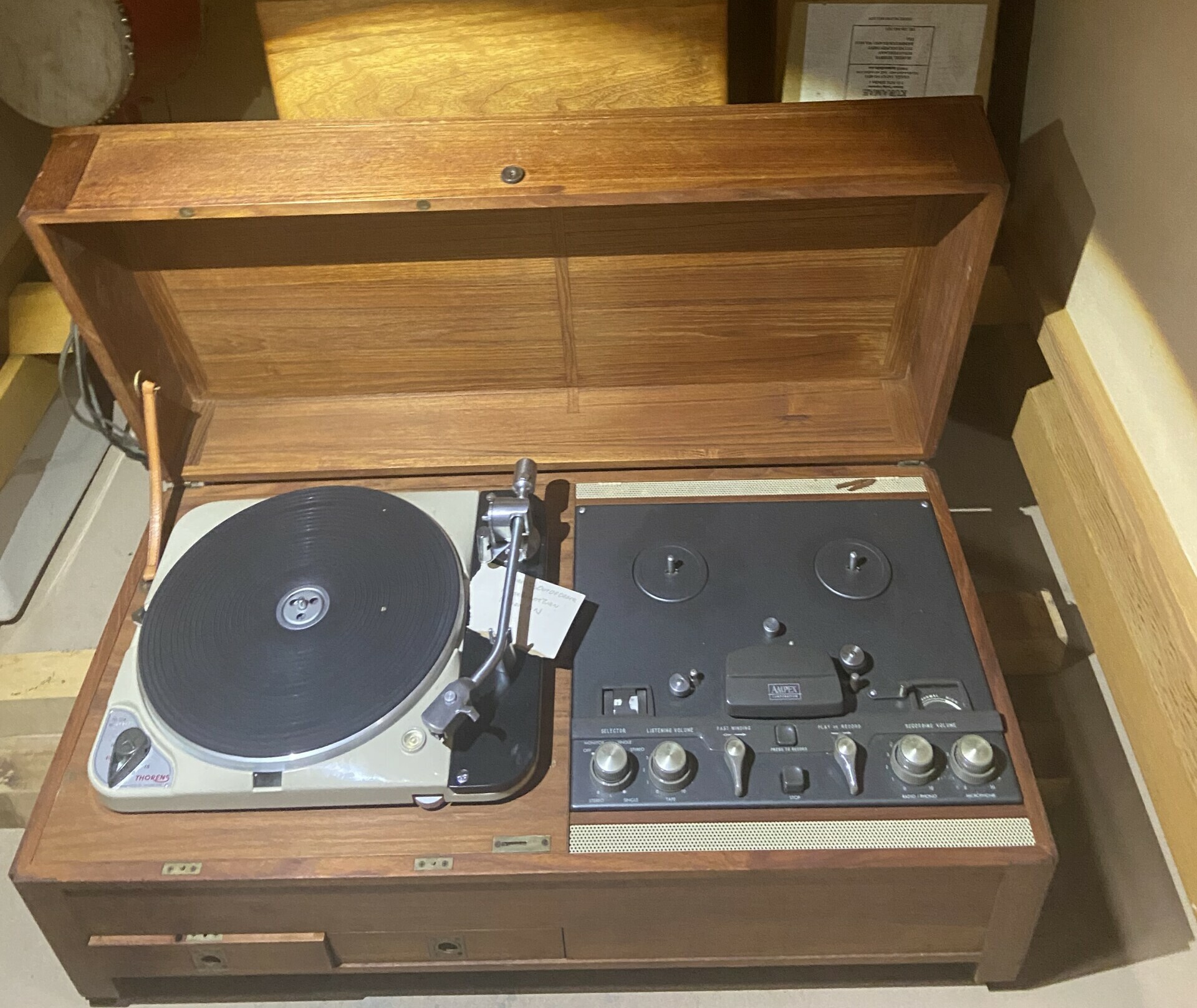 During our visit, Bob took us behind the scenes to the lower level of the Guesthouse, where we glimpsed the Bloedels’ original stereo equipment. He recalled stories of lively gatherings hosted by the Bloedel sisters—paper screens open, music playing, and the pool in full use.
When asked, perhaps unfairly, to name his favorite places at the Reserve, Bob paused. The Japanese Garden, of course, remains at the top of the list. But he also spoke of the Reflection Pool after a winter snowfall, the Rhododendron Glen in spring, and the quiet magic of the Moss Garden at its peak. The list, he admitted, could go on and on.
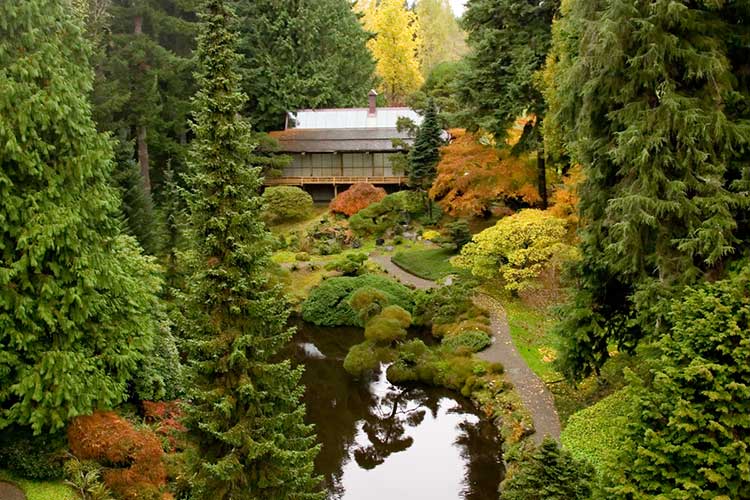 Bloedel Reserve is fortunate to have such a devoted steward. As Bob once told the Kitsap Sun in a past interview, “This, to me, is paradise.”
–Written by Volunteer Jane Carlin