
Name That Plant
–Written by Jane Carlin, Volunteer
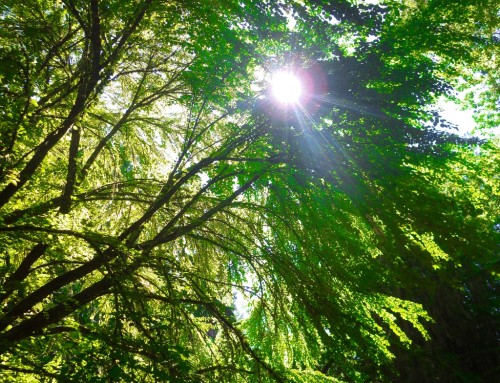
One of the great joys of walking through Bloedel Reserve is that each visit reveals something new. A blossom emerging along a woodland path, the texture of moss on a tree trunk, the graceful movement of ornamental grasses in the breeze—there is always another detail waiting to be discovered. I am not a trained horticulturalist, so like many visitors, I often find myself wondering: What is that plant? My curiosity has led me to explore a number of resources that make plant identification both accessible and enjoyable. Whether you are an experienced gardener or simply someone who appreciates the beauty of the natural world, these tools can deepen your understanding of the remarkable plants found throughout the Reserve and beyond.
Plant ID Book
Located in the Residence, this helpful notebook is organized by areas of the Reserve and includes photographs and identifying information for many plants found on the grounds. If you have taken a photo during your walk, the notebook can be an especially useful reference. And, of course, the knowledgeable horticultural staff are always happy to help answer questions and share their expertise.
The Plant Answer Line
Provided through the Elizabeth C. Miller Library at the University of Washington, this free reference service is tailored to the needs of Pacific Northwest gardeners and plant enthusiasts. It offers expert guidance on a wide variety of gardening and plant-related questions.
Plants of Western Washington Digital Collections
Hosted by the University of Washington, this freely accessible digital collection allows users to browse photographs and historical botanical images of plants native to Western Washington.
Plants of Western Washington Digital Collections
Native Plant Guide
This excellent resource from King County provides information on native plants, their care, and landscaping ideas that support local ecosystems and sustainable gardening practices.
Use the Visual Lookup Feature on Your Phone
Today’s smartphones offer surprisingly effective plant identification tools right in your pocket. While results are not always perfectly accurate, they can provide a quick and convenient starting point.
● iPhone: Take a photo of the plant, open the image in the Photos app, and look for the small “i” icon with stars or a leaf symbol. Tap “Look Up Plant” to see possible matches.
● Android: Take a photo and open it in Google Photos, then tap the Google Lens icon. You can also use the camera icon directly from the Google search bar.
Phone Apps
PictureThis
Widely regarded as one of the easiest and most accurate plant identification apps, PictureThis not only identifies plants but also offers care tips and plant disease diagnostics. While the app itself is subscription-based after a free trial period, much of the plant care information on the website remains freely accessible.
PlantNet
PlantNet is a free, community-supported, open-source plant identification resource used by gardeners, students, and researchers around the world.
iNaturalist
Perfect for nature lovers, iNaturalist connects users with a global community of botanists, naturalists, and citizen scientists who help identify plants, insects, fungi, birds, and other wildlife from uploaded photos.
Using some of the resources above, next time you visit the Reserve, you might be able to name that plant! If you encounter a plant that captures your attention, consider taking a moment to learn more about it. You may discover not only its name, but also the fascinating stories, habitats, and ecological relationships that make our Pacific Northwest landscape so extraordinary.
You chould also consider participating in a bioblitz at Bloedel Reserve. They have hosted them for the last two years around Earth Day, as part of the Kitsap County City Nature Challenge, and bring in ID experts for a range of plant, animal, and fungi taxa.