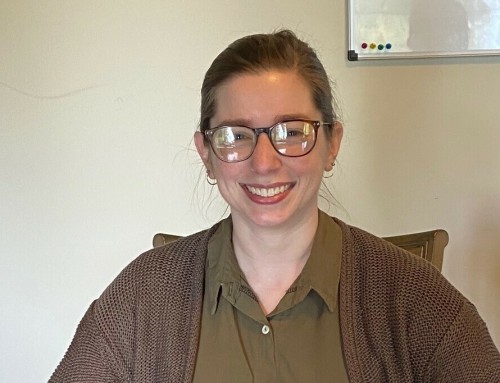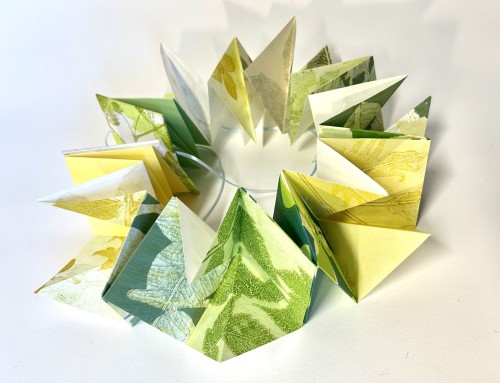

Meet Community Creative Stephanie Tayengco
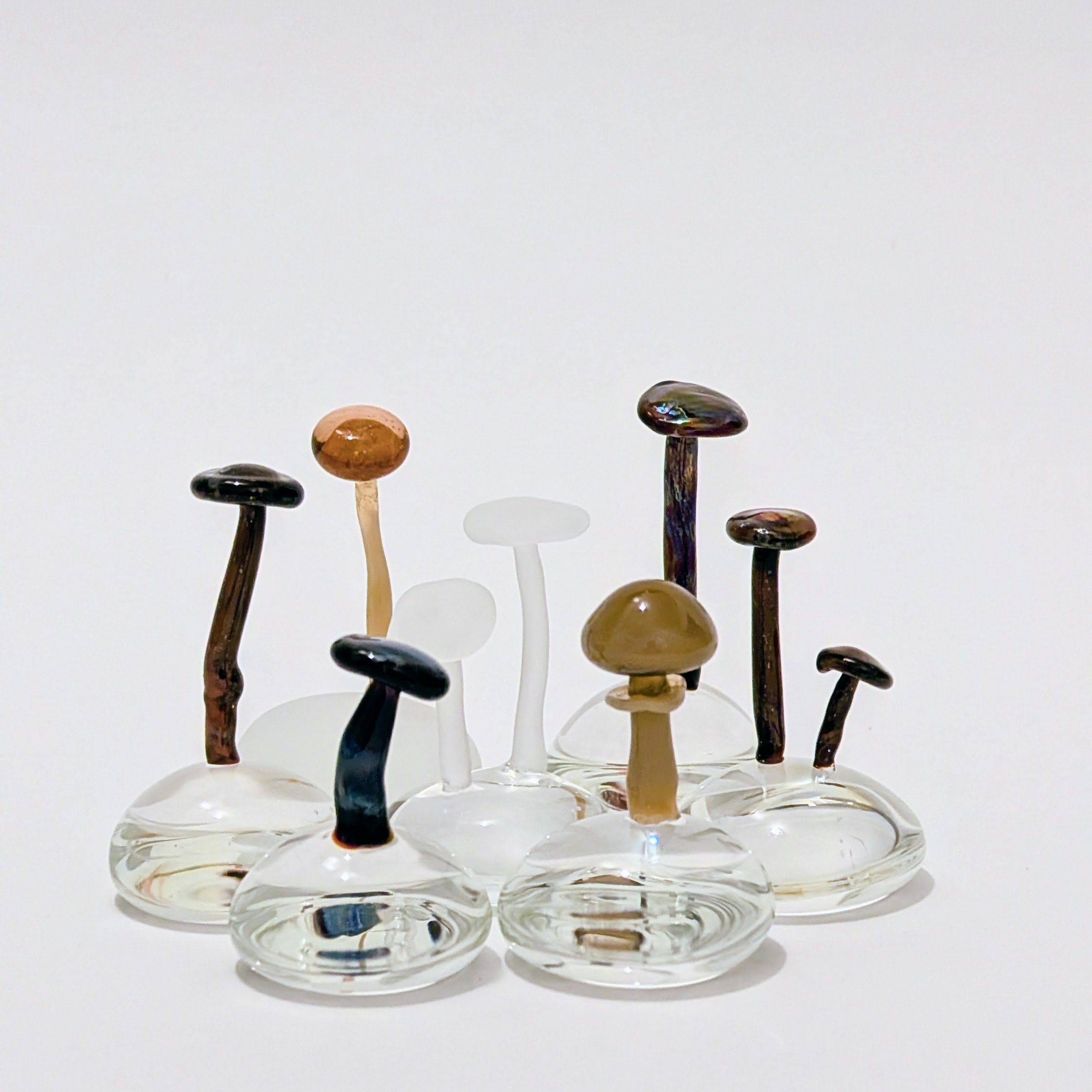
Spore project
I work in glass, using a torch to melt and sculpt it into solid and hollow forms. I primarily use borosilicate glass, the type used in scientific laboratories, to create sculptures made of small components assembled into intricate structures.
My background might seem like an unlikely combination: I studied liberal arts, earning a graduate degree in art history focused on modern art and medieval illuminated manuscripts, and then built a career in cloud computing. For years, I pursued these interests separately. Now, I find they complement each other in surprising ways.
My path to glasswork began with neon. Growing up in Las Vegas, I have fond childhood memories of being bundled into the car at night to look at the lights. Years later, while living in New York, I took a class called “Neon Robots” that combined art and computing. I learned to bend glass tubing and create illuminated sculptures, which led me to explore plasma sculptures and, eventually, torchworking. It’s been a bit like giving a mouse a cookie: each class opened up a new direction to explore.
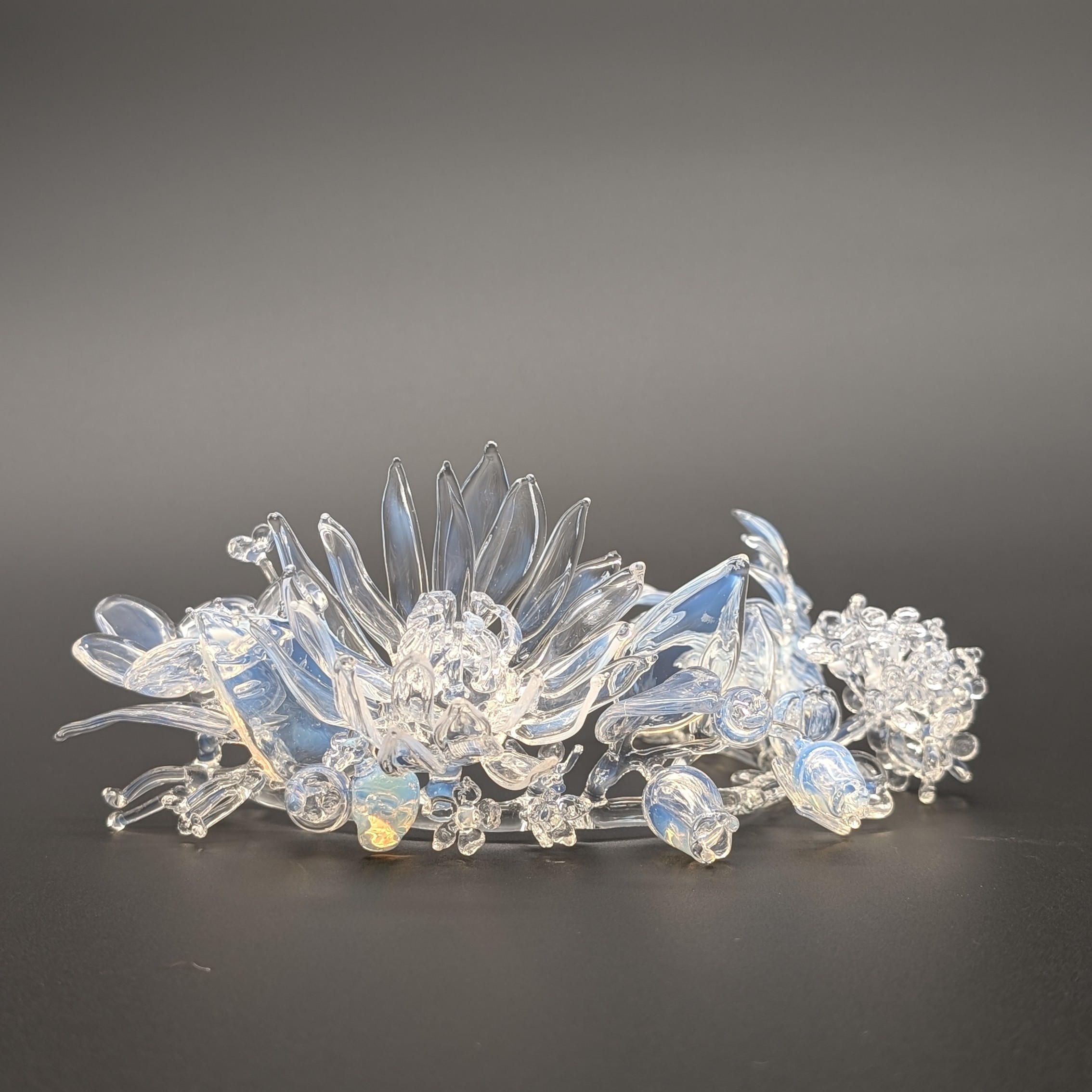
Persephones tiara
I love the transformative nature of working with a torch. Glass can go from solid to the consistency of honey, then solidify moments later into a shape of my choosing. Sitting before a 3,000-degree flame demands intense concentration, and I find clear glass especially beautiful for its ability to form shapes that seem almost impossible, even ghostly.
As a Community Creative at Bloedel Reserve, I’ve discovered that the landscape rewards stillness and close observation. Visiting in the early morning or at dusk, when few others are around, I can watch the landscape change and encounter the nonhuman inhabitants going about their lives. I marvel at the layers of seasonal change, sometimes finding an entire life cycle, from bloom to decay, on a single flower stem.
Inspiration at the Reserve is multi-sensory. There’s the crunch of frost beneath my feet, the scent of coumarin rising from grassy fields in summer, and the cotton-candy-like sweetness of katsura leaves in fall. Building community with fellow creatives and learning about the Creative Residents’ practices has been equally inspiring.
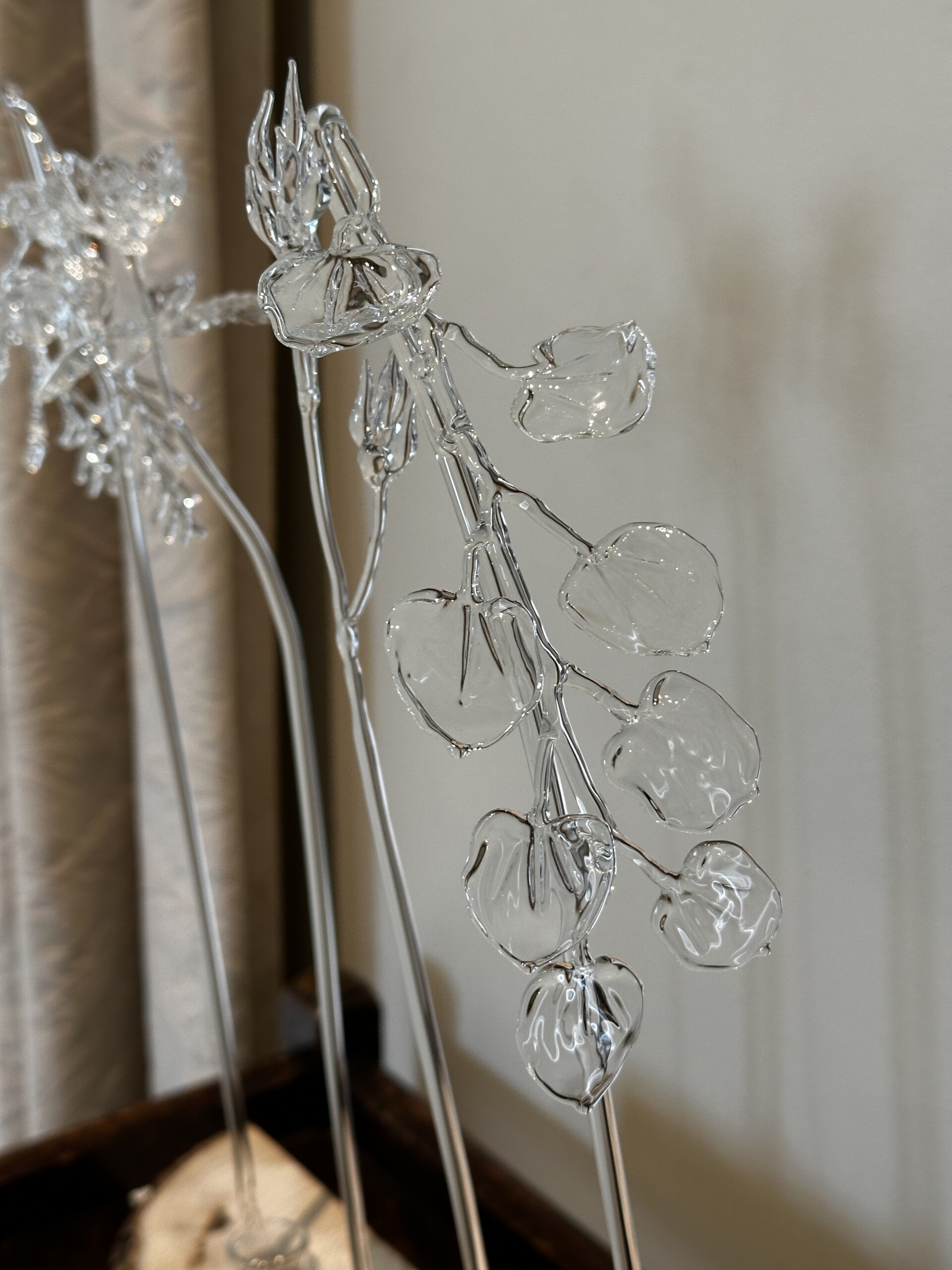
Katsura fragrance
I take lots of visual notes with my phone’s camera, using them as references for botanical sculptures. One project I knew I wanted to pursue was Art into Air, a collaboration with fellow BARN artist Tiffany Noel Thiel, who has studied fragrances for years. Together, we selected four areas of the Reserve, and Tiffany created scents inspired by those places in specific seasons. I made glass scent wands topped with botanical sculptures representing the associated flora. The work is now on display in the Residence, where visitors are invited to touch the pieces and experience the fragrances.
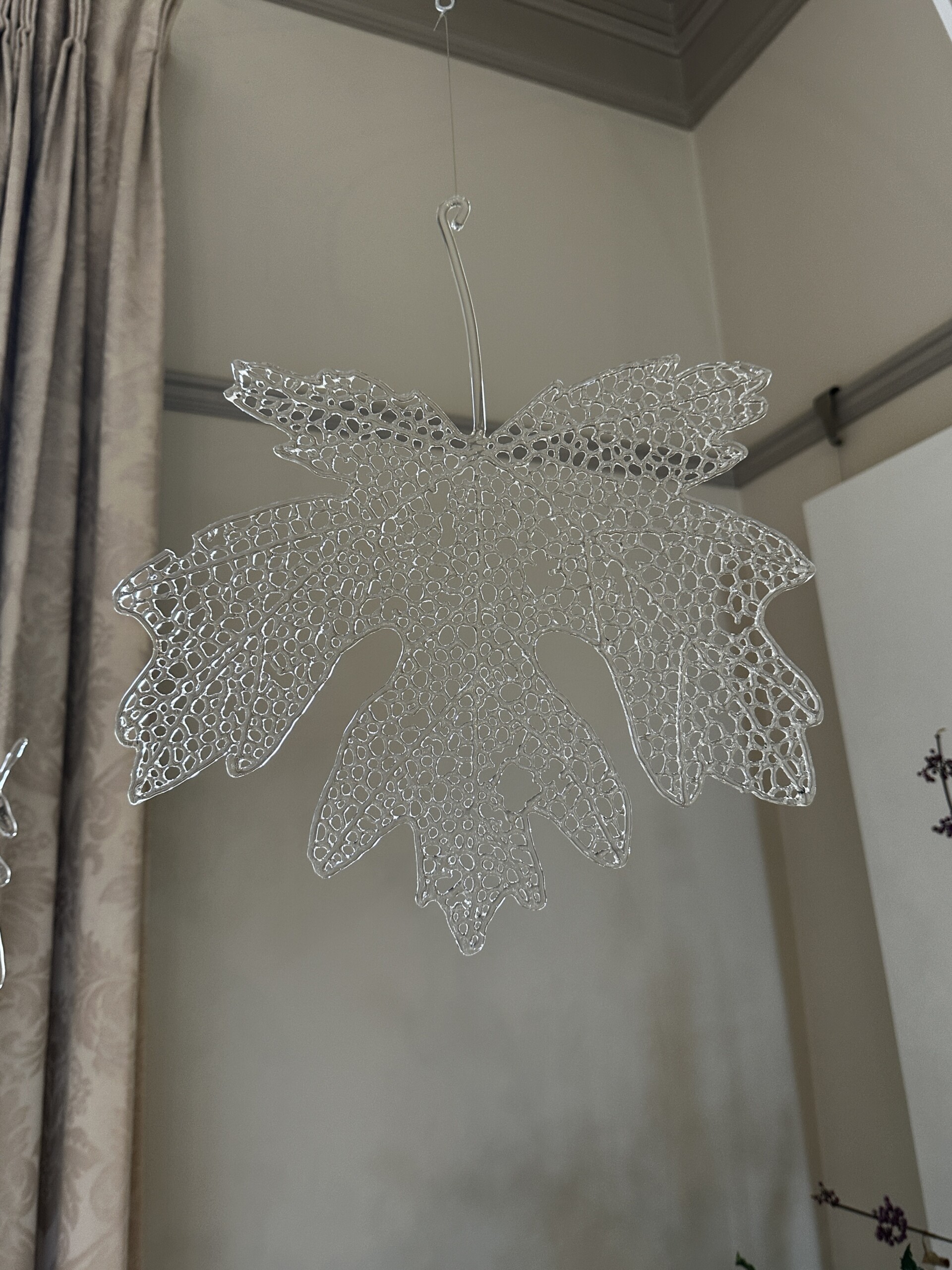
Big leaf maple mobile
I’ve also created a mobile for the Residence, inspired by the small wonders of the natural world: intact leaf skeletons, the enormous leaves of bigleaf maples, and the fluttering motion of maple samaras, commonly known as helicopters. Rather than planning every detail in advance, I let the forms and their relationships emerge organically.
My time at the Reserve has taught me to keep my plans loose enough to make room for surprises. I’ve also learned that having the space and time to create doesn’t deplete creativity; it generates more ideas. The real challenge is deciding which ones to pursue, experimenting with what works, and being willing to keep refining a piece or follow a more interesting path than the one I originally imagined.
I’m excited to see where these explorations lead next.
Explore my work at Studio Salamin or follow @studiosalamin on Instagram. Learn more about Art into Air at artintoair.com.
— Written by Stephanie Tayengco