

Meadow Plant Production
The Reserve’s new propagation plateau was built using hundreds of yards of topsoil excavated during construction of our state-of-the-art compost facility. Originally intended for use as fill for other construction projects, this soil was stored in large mounds that eventually became overrun with Himalayan blackberry, scotch broom, and other noxious weeds.
To transform the mounds into usable space for meadow plant propagation, we tasked our friends at the Washington Youth Challenge Academy, a partner that regularly helps us pull English ivy and other invasive weeds, with clearing the weed cover from the soil mounds. They did a fantastic job of removing all the above-ground weedy material, and many of the roots as well. Next, we contracted a heavy equipment operator to fill in gaps and level the mounds into a plateau roughly 7 ft tall, 90 ft long, and 45 ft wide. Gardens North Manager Sean Peterson used our excavator to build two ramps, on the topsoil. Using grading rakes, we shaped the surface into ideal seed beds and laid out foot-wide rows in between to allow for weeding and harvesting. We finished construction of the growing area by installing fencing around the top of the plateau to keep the deer out, and spreading wood chips on the perimeter and between rows.
We were finally ready to sow the seeds; once they were down, we lightly pressed them into the soil using a seed roller and covered them with floating row cover, a permeable fabric that protects the seeds from bird predation. While two rows were sown with a dry meadow mix that included wildflowers and grasses, most rows have four separate meadow species in them. In all, we grew 23 flowering herbs, five native grasses and a native sedge in the propagation plateau in 2025/2026.
Some of the plants that established will be transplanted into pots and gradually up-sized, while some will be transplanted directly into new meadow plantings this spring and fall (2026). Some plants that establish will become seed sources, allowing us to continuously propagate species that perform well in the pollinator meadow. From the rows that received a mix of species we’ll be able to experiment with transplanting whole chunks of meadow at once, similar to how grass sod is transplanted in squares or in rolls. The propagation plateau will help us determine which species are best suited to growth in our specific locale, as well as ideal watering regimes and soil nutrient compositions for individual species. Best of all, this new propagation area will help supply us with a diverse selection of healthy plants for the pollinator meadow, significantly reducing our reliance on outside nurseries for meadow plant material.
The vision for the plateau was inspired by a visit to Sevenoaks Native Plant Nursery in Corvallis, OR. Many of the plants now growing around the overlook in the pollinator meadow came from Sevenoaks, where they direct-sow seeds onto outdoor “sand beds” as the first step of the propagation process. We’re confident that this approach will be as successful for Bloedel as it has been for Sevenoaks!
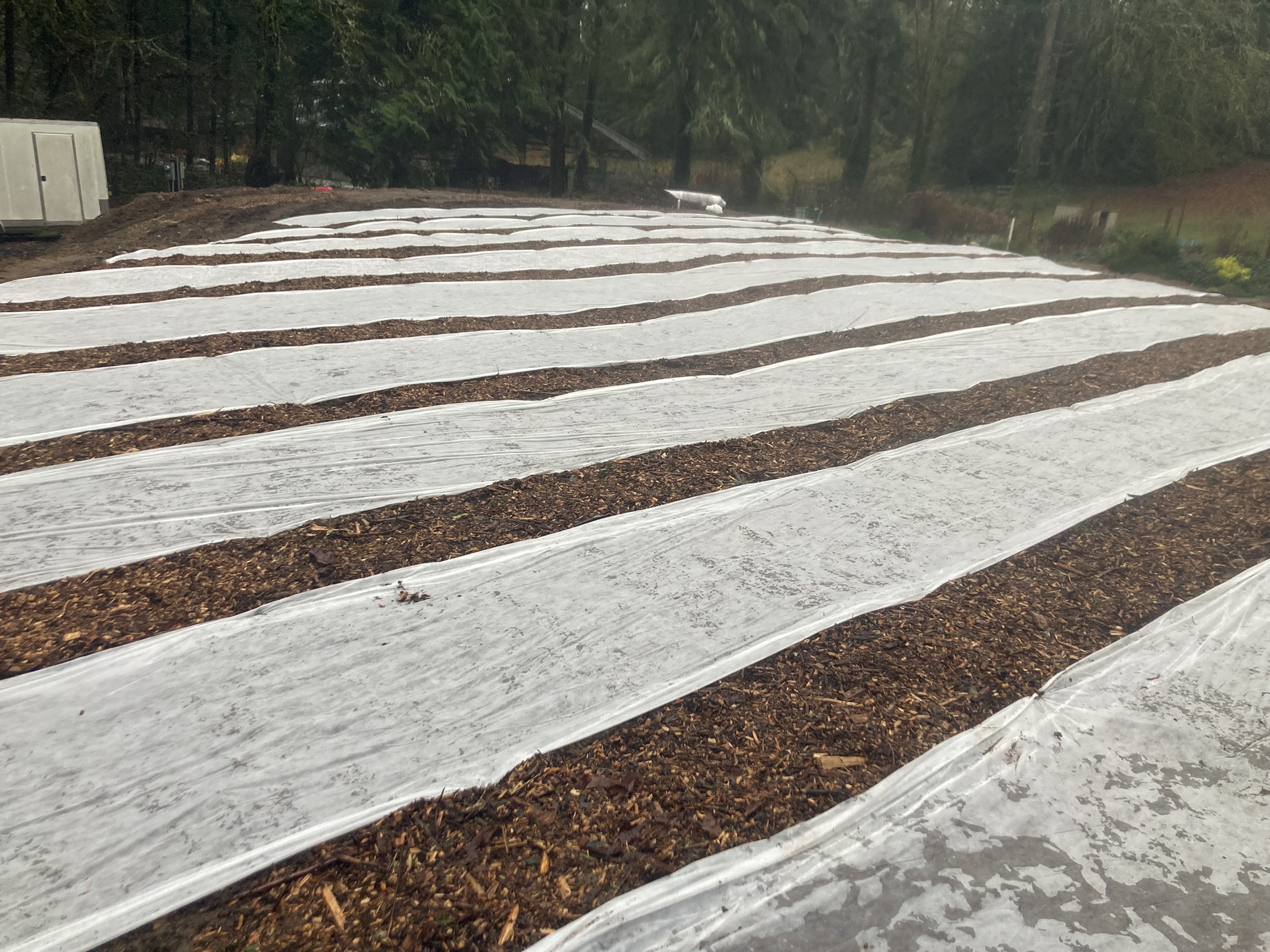
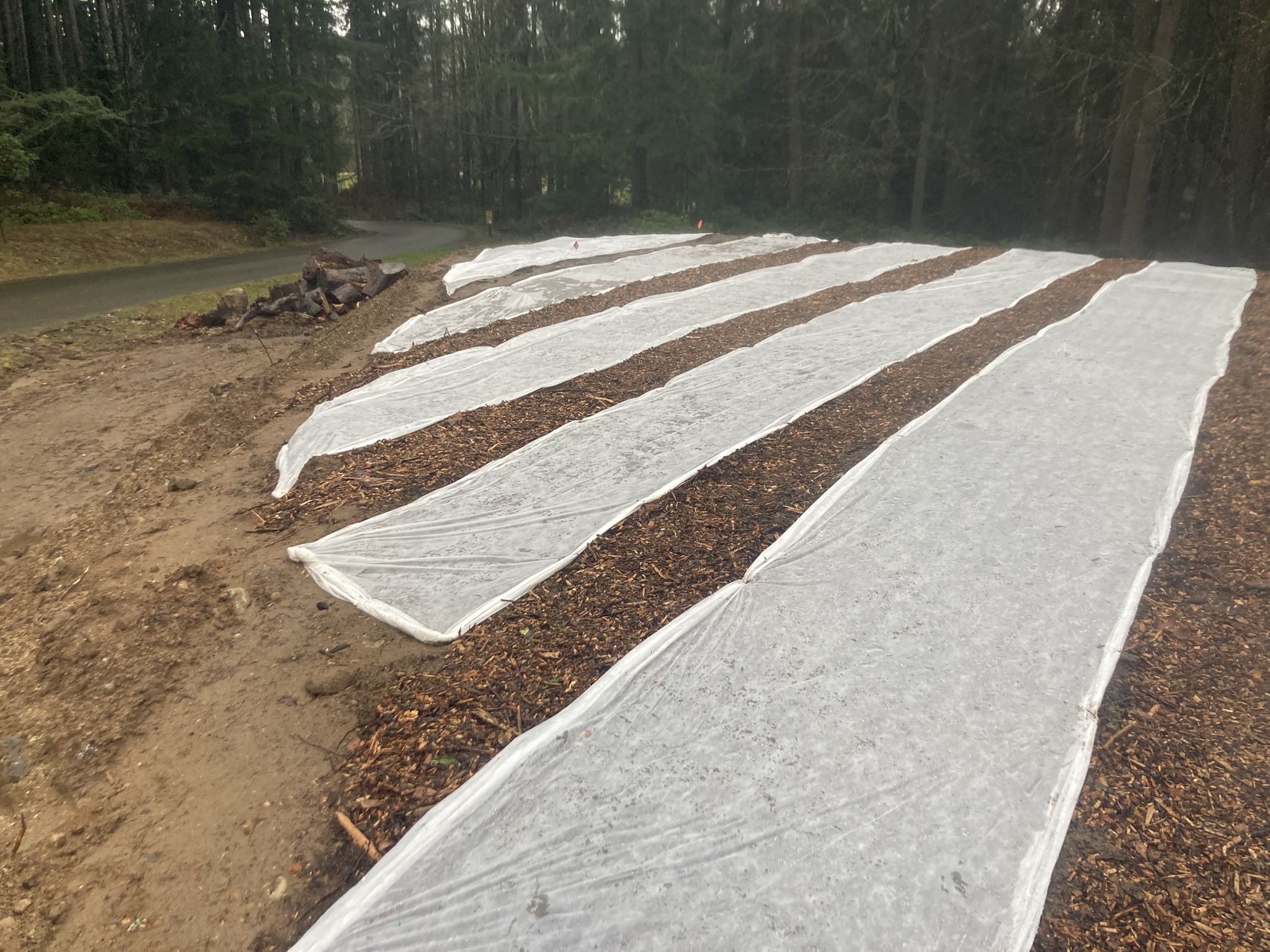
Propagation plateau following seed sowing in early January 2025. The white fabric is floating row cover, a lightweight, permeable material that protects seeds from bird predation.
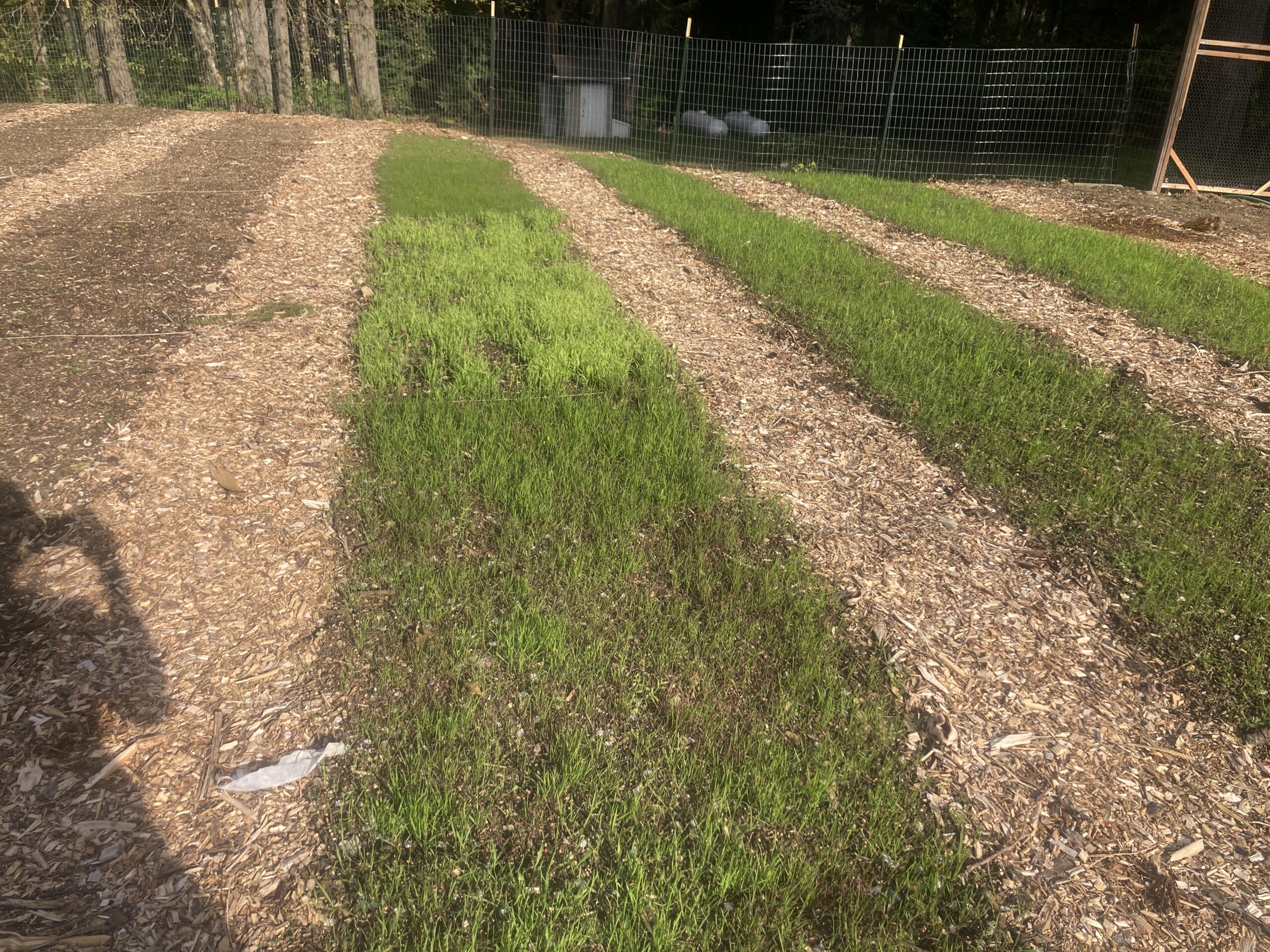
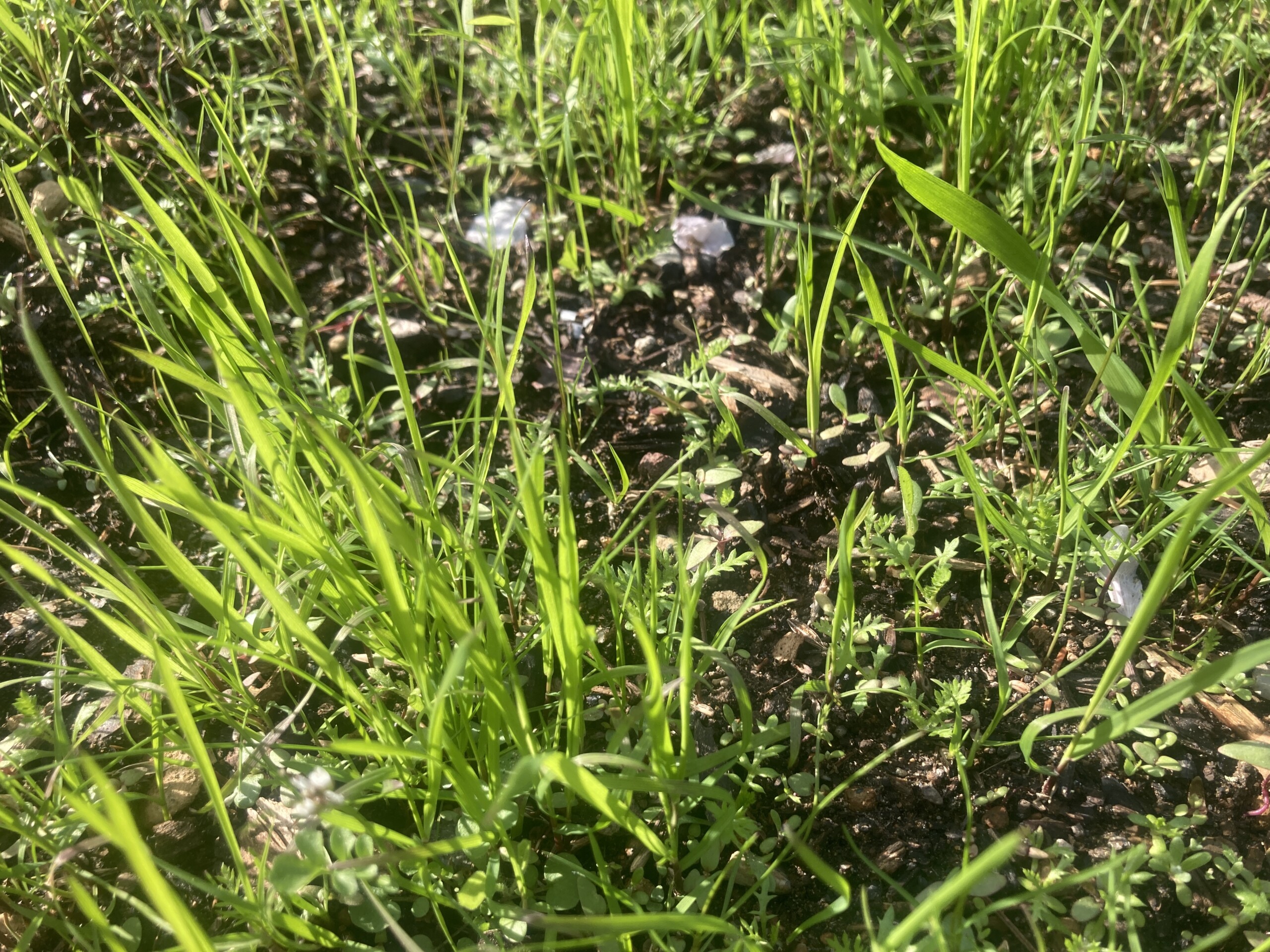
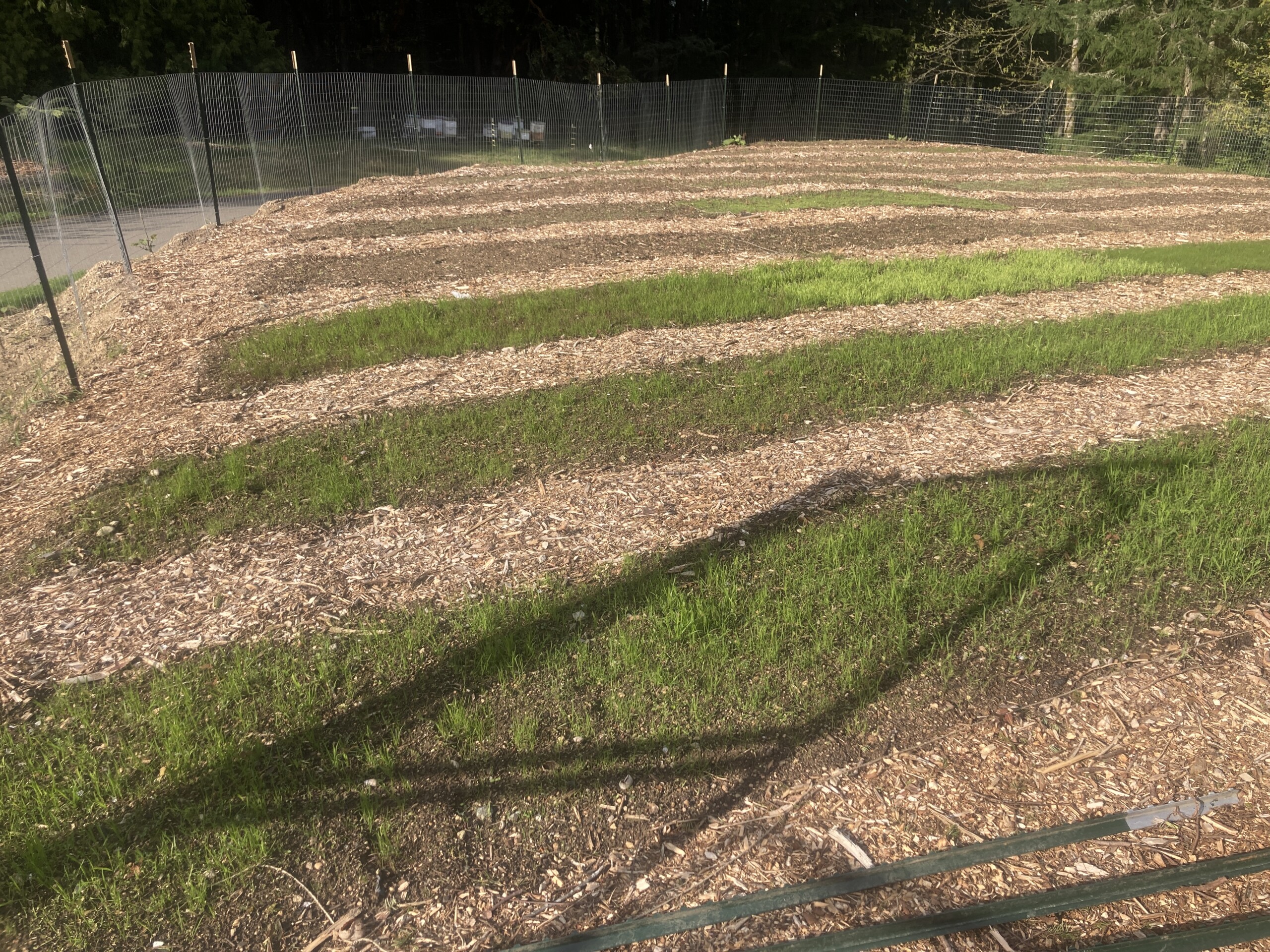
Propagation Plateau, April 2025. Lots of germination, particularly of the native bunch grasses.
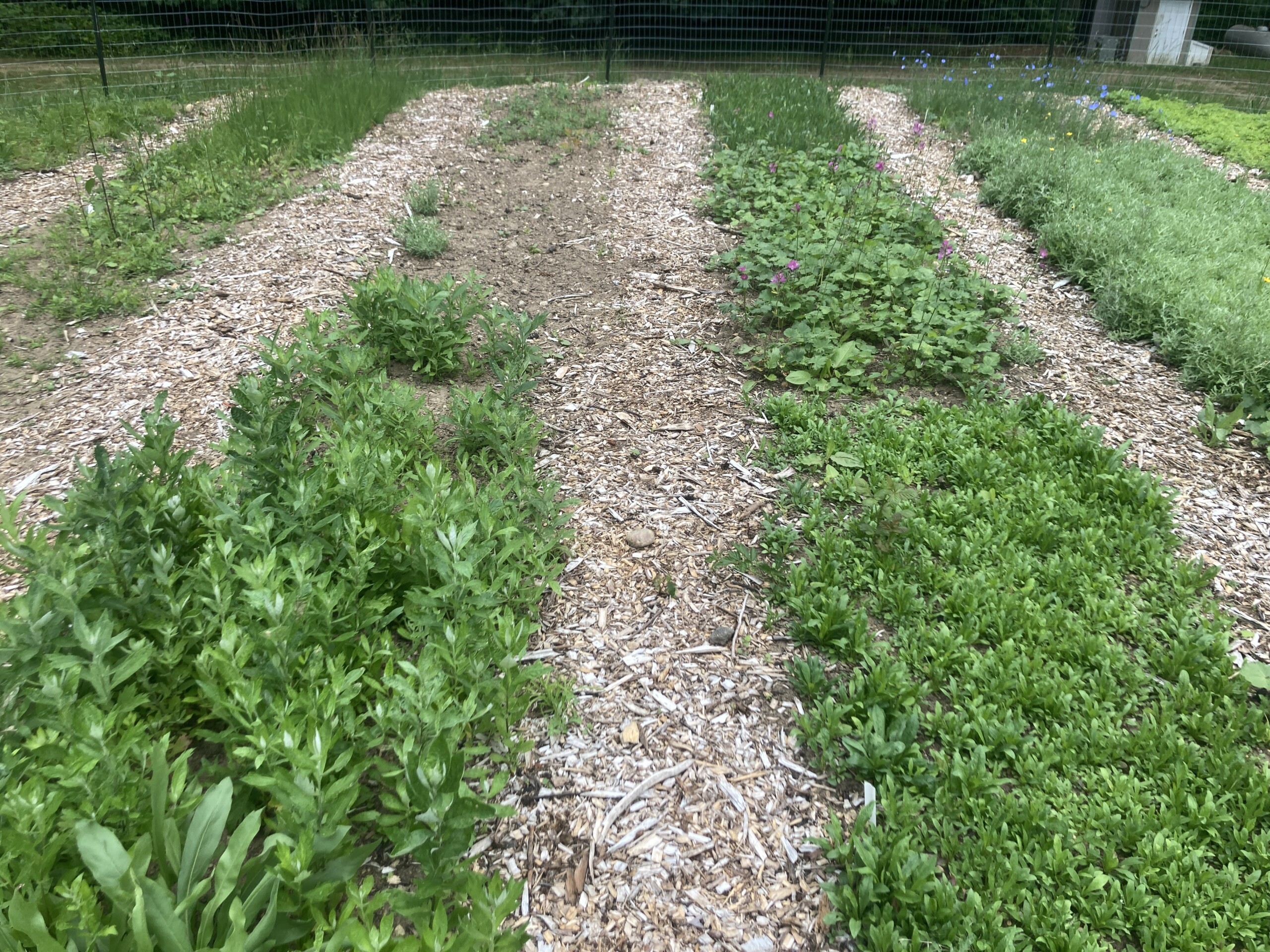
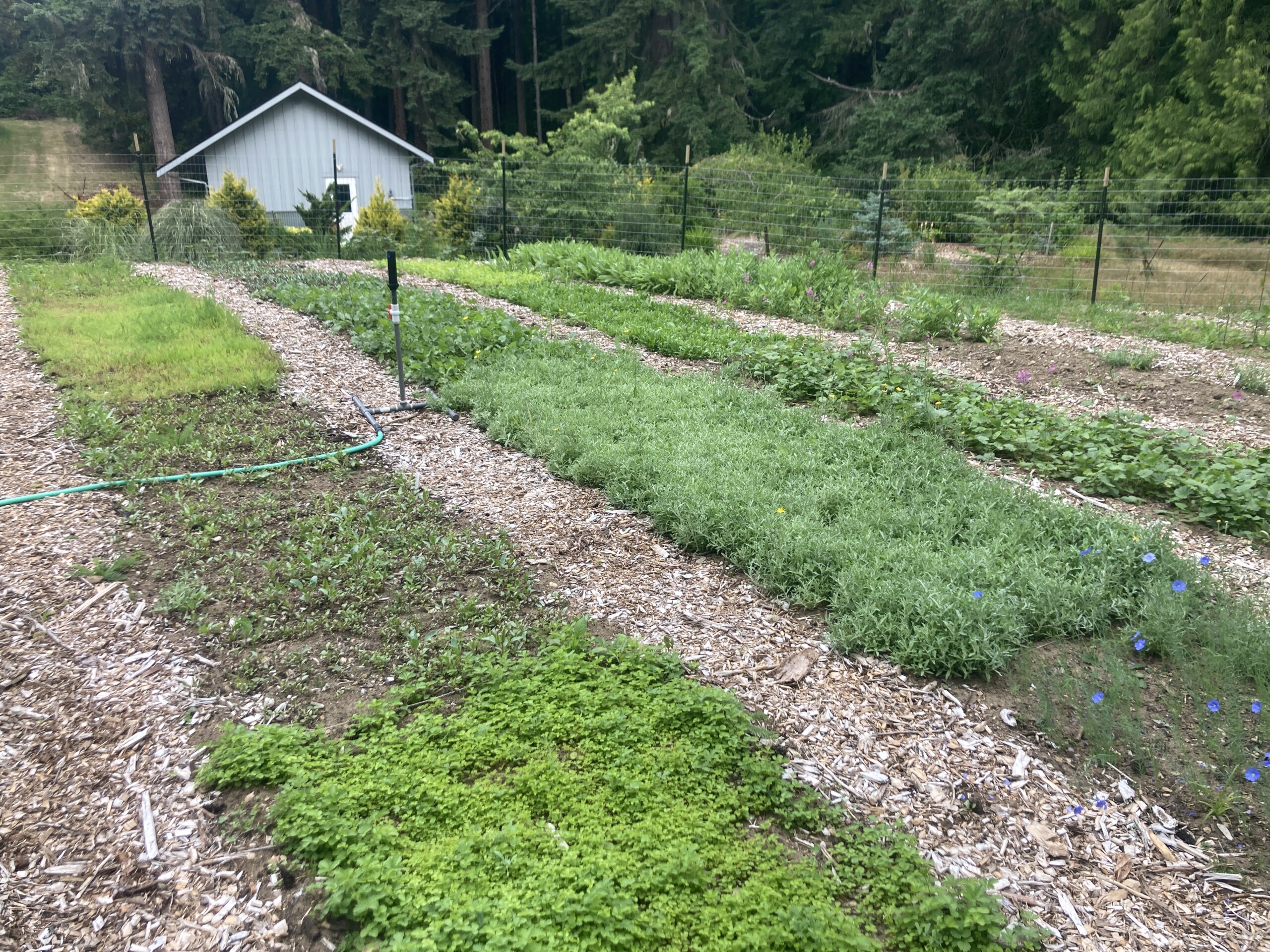
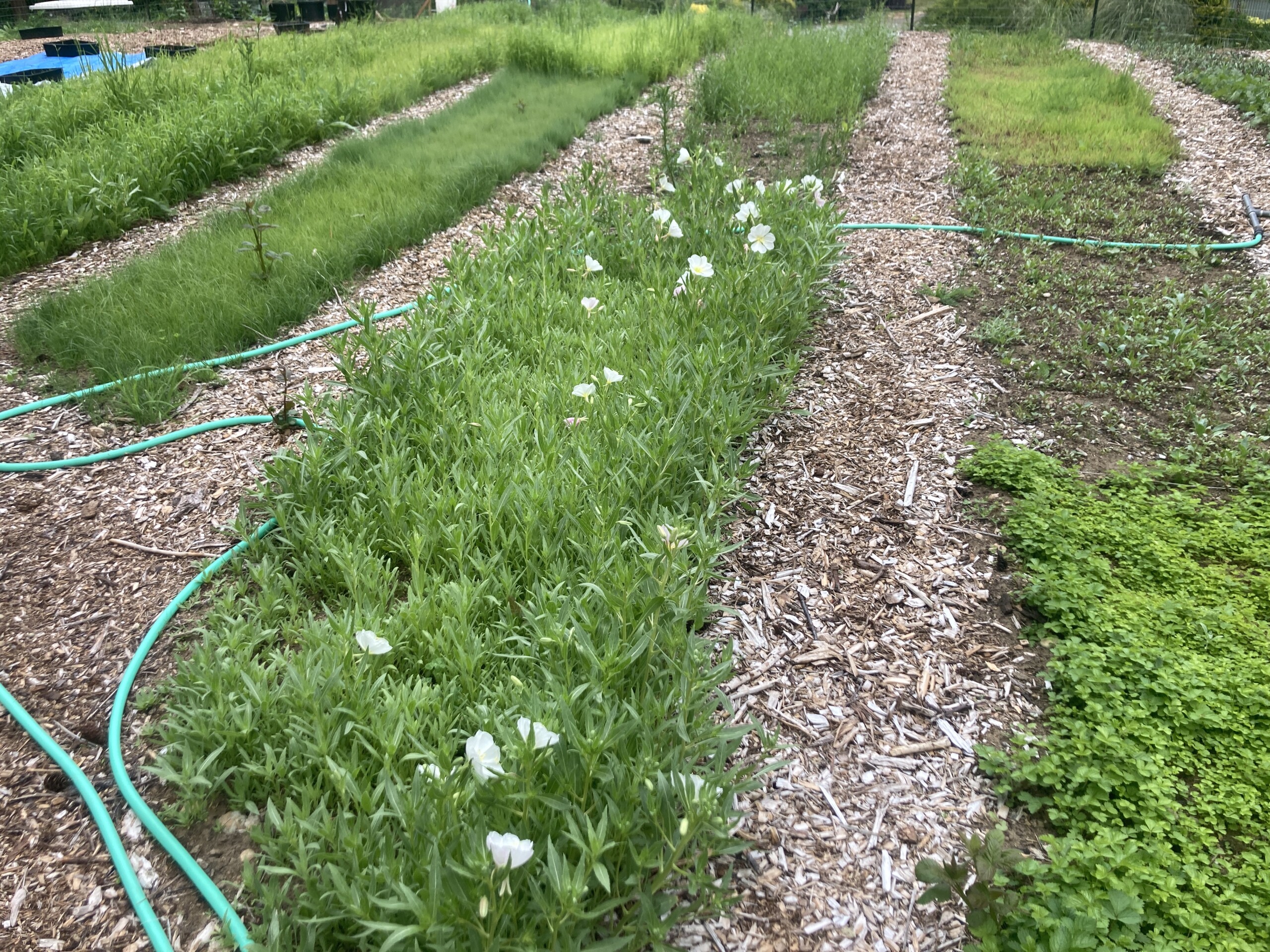
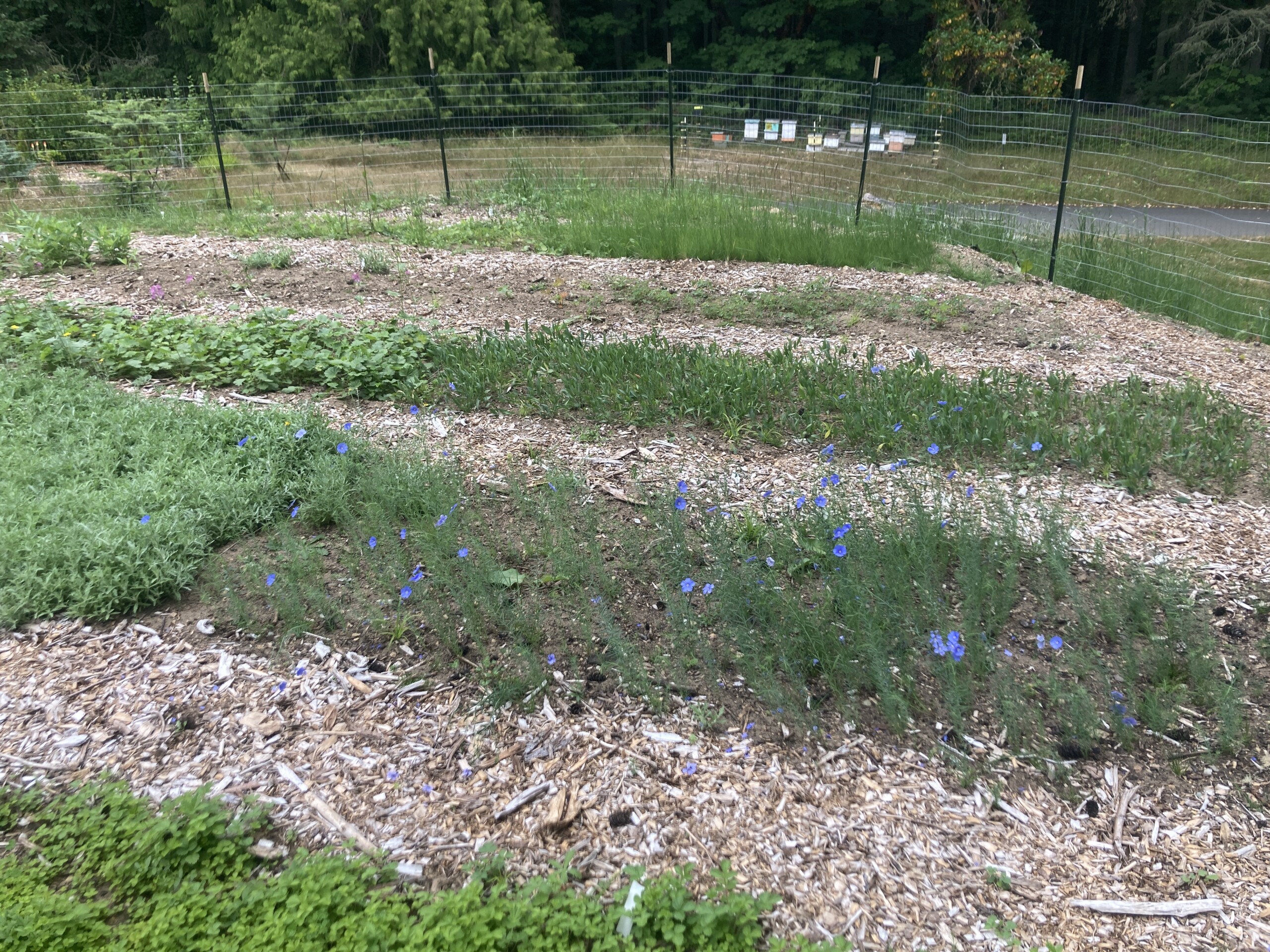
Propagation Plateau, June 2025
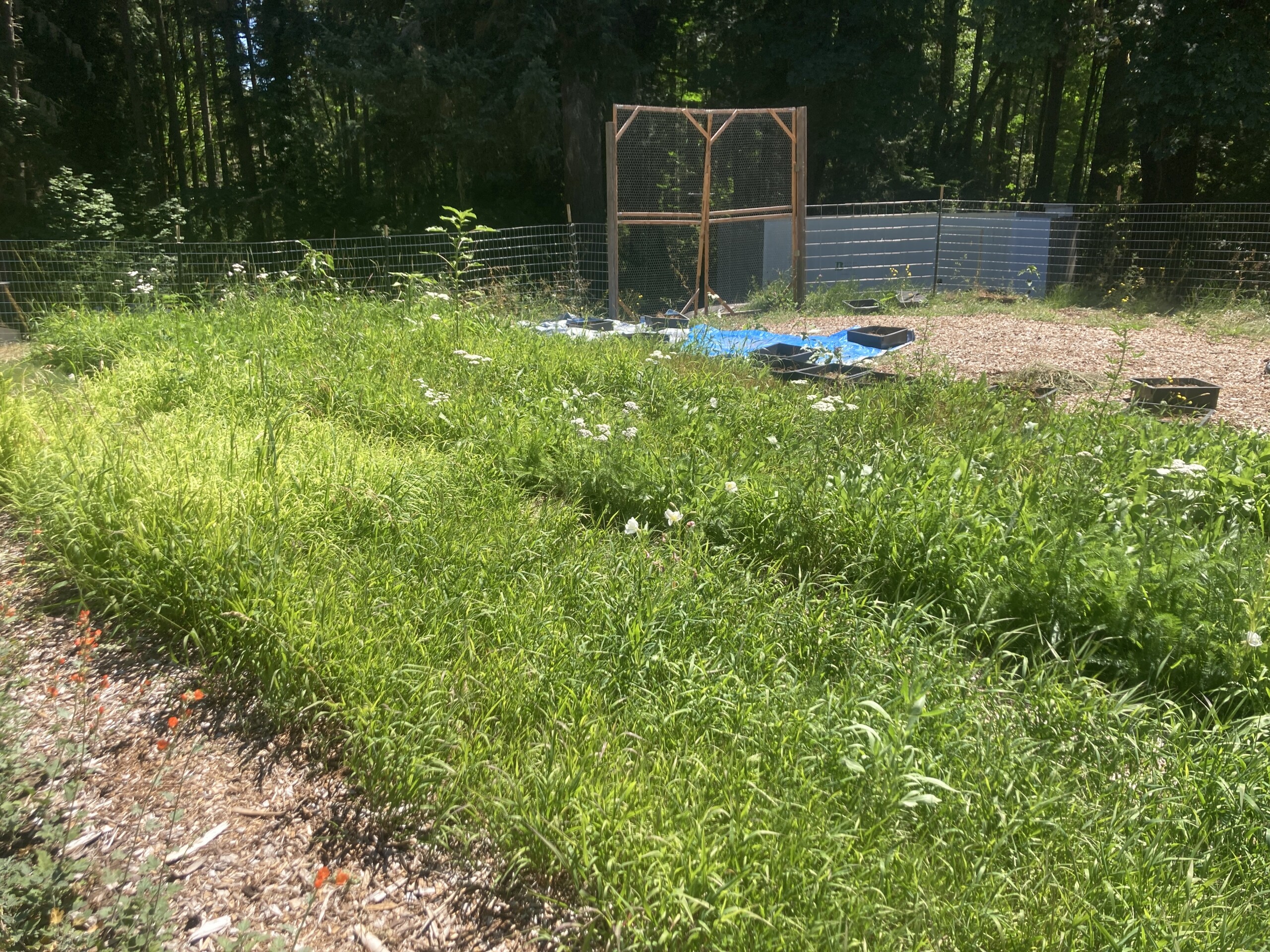
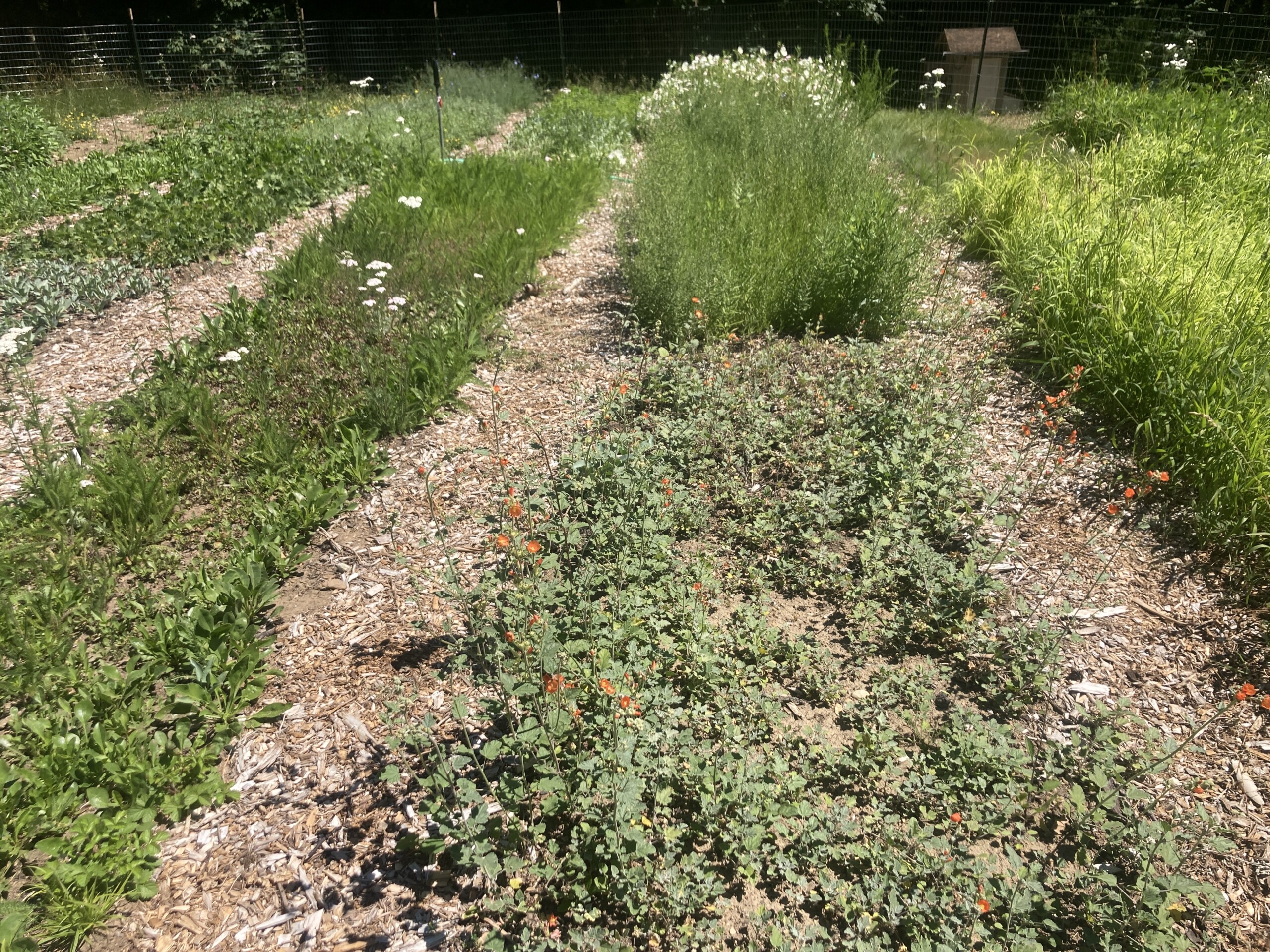
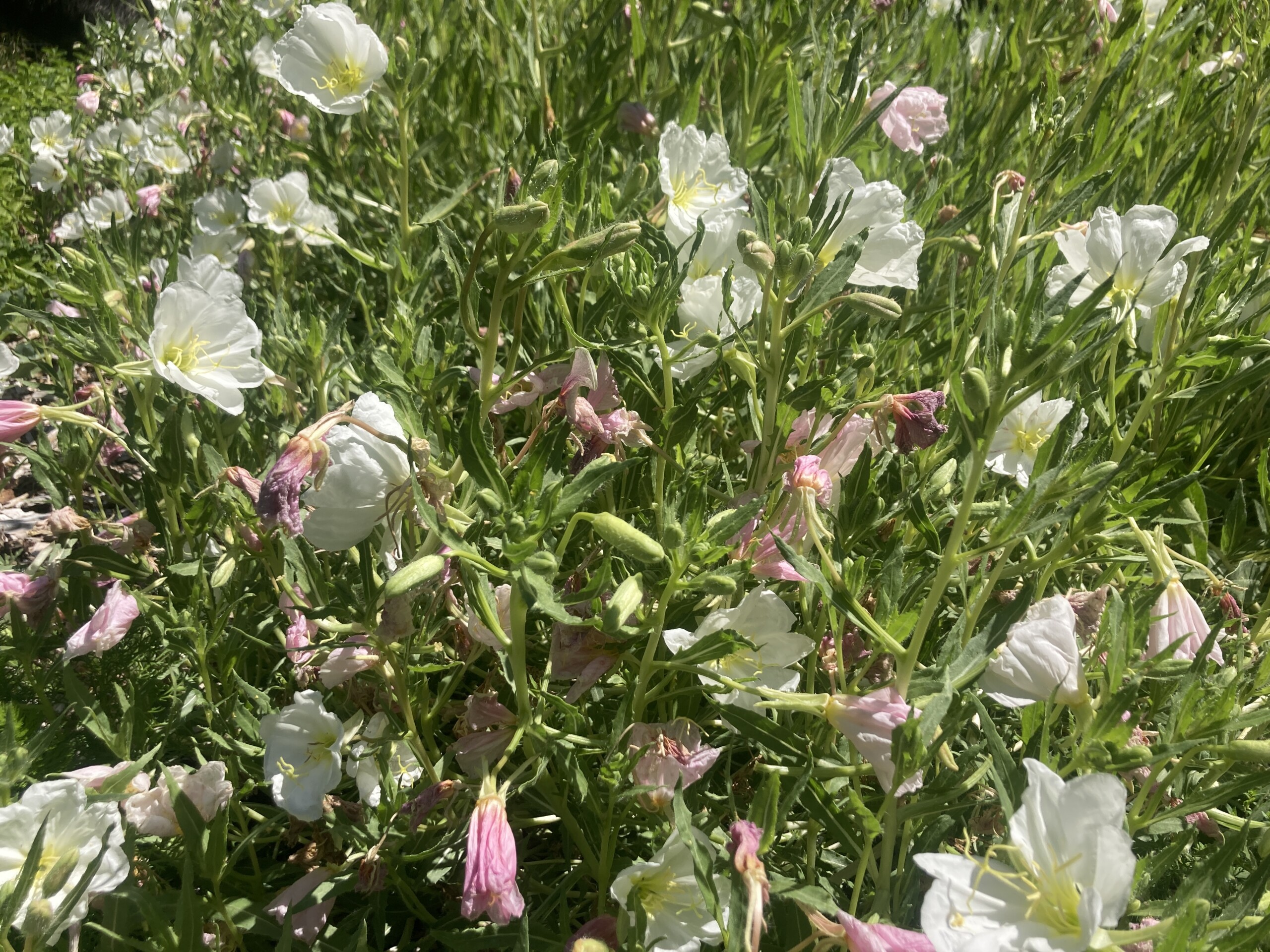
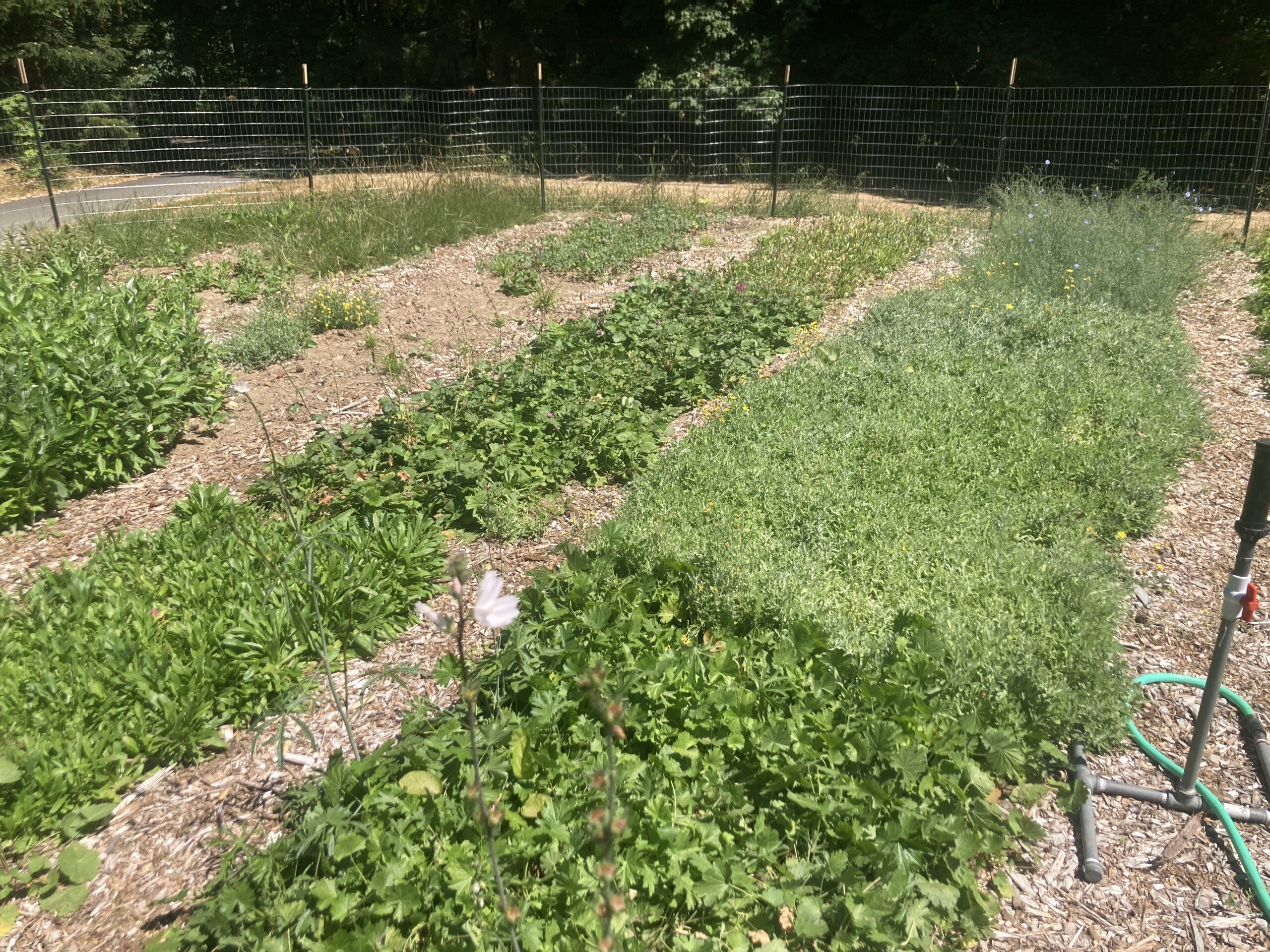
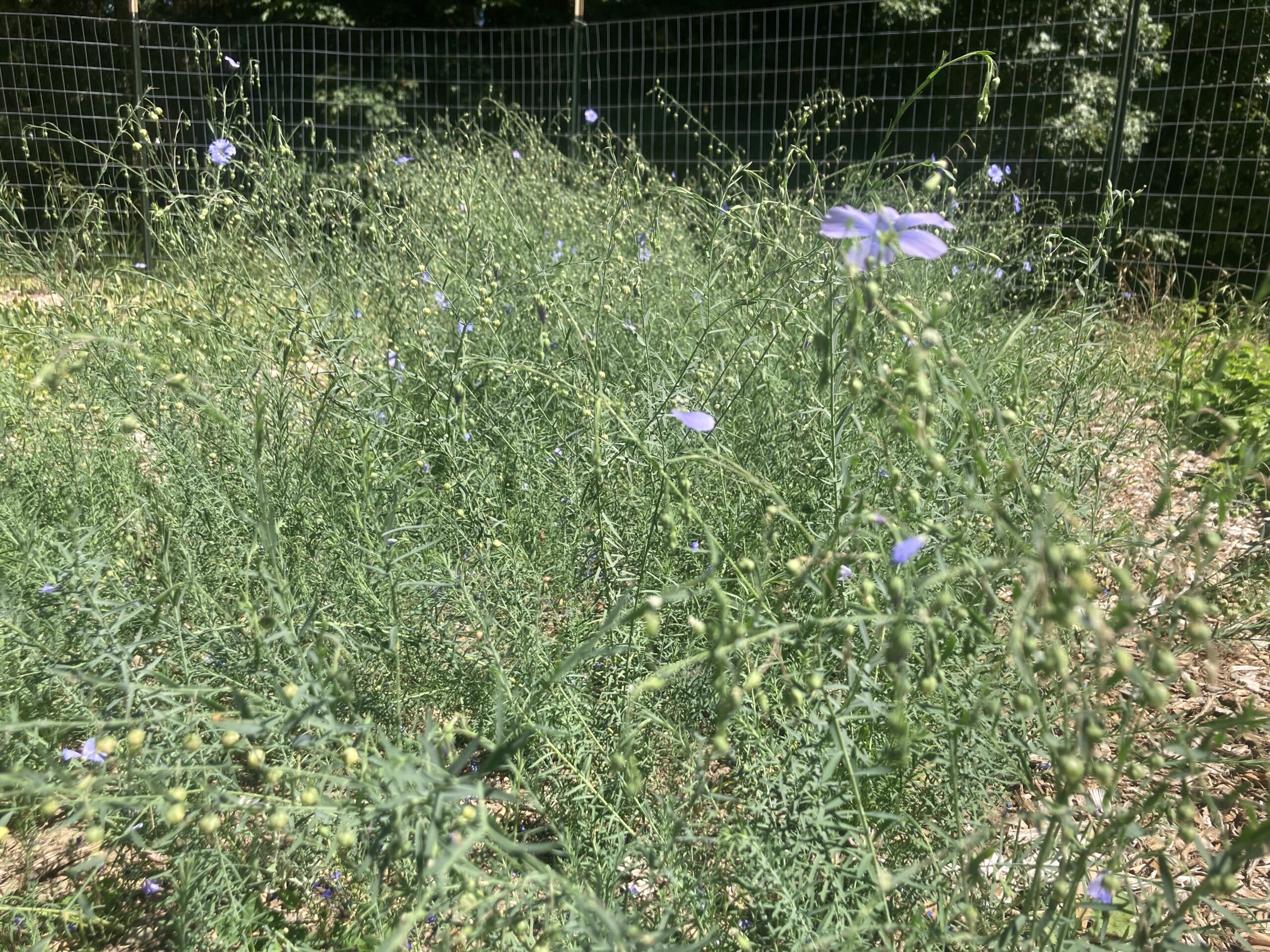
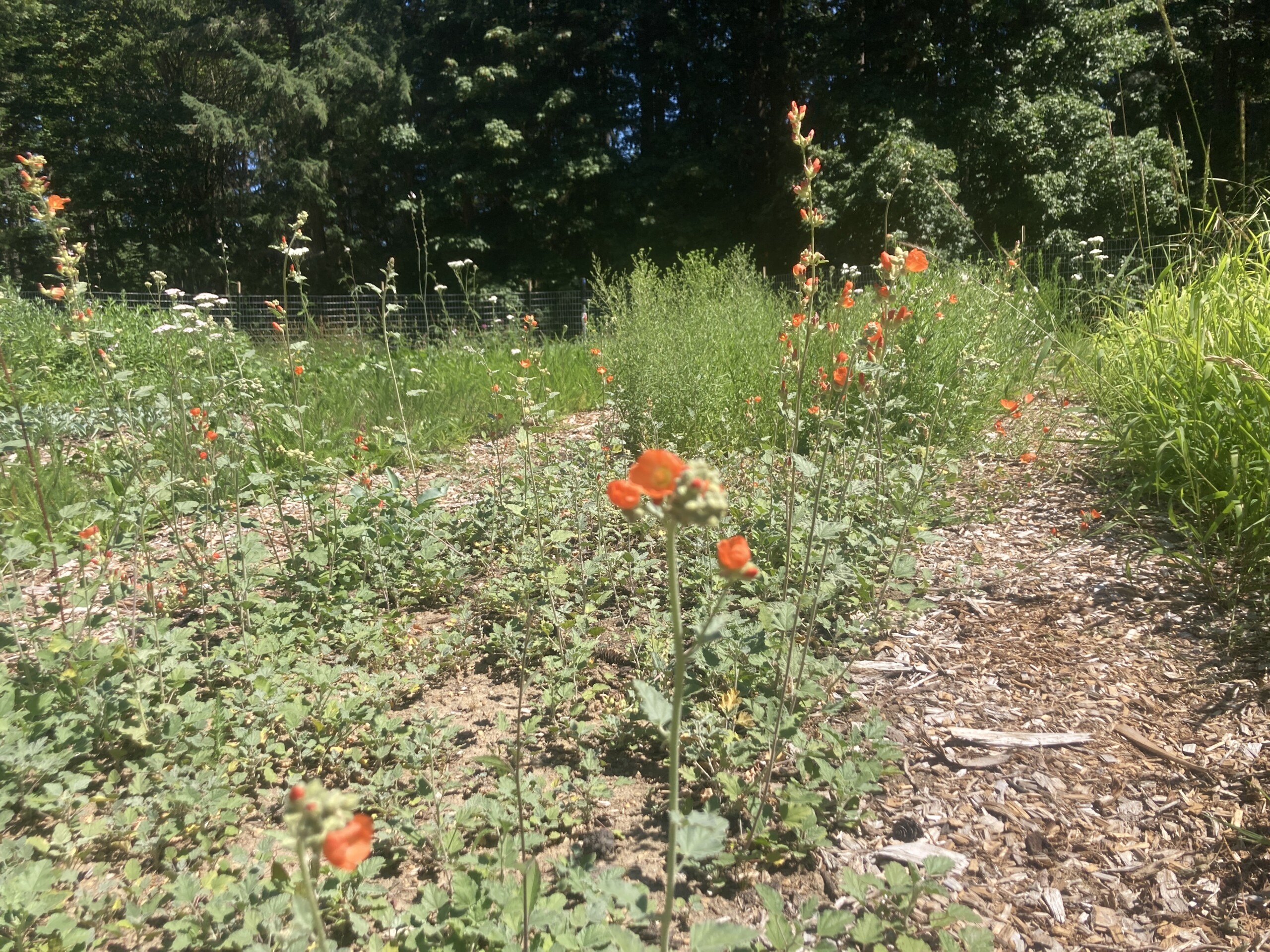
Propagation Plateau, July 2025. Middle right: Linum lewisii. Bottom left: Oenethera pallida. Bottom right: Spheralcea grossularifolia.
SIGN UP FOR OUR ENEWSLETTER
Stay up to date on all of the events and activities taking place at Bloedel Reserve.